
Design is where dreams begin. It’s the exciting part—where you envision vaulted ceilings, frameless glass walls, maybe even a rooftop garden. But every detail you add impacts your budget, timeline, and compliance with local building codes. The critical question becomes: How much design is too much?
Whether you’re planning an accessory dwelling unit (ADU), remodeling your home, or building from scratch, smart design isn’t about cramming in every feature you can imagine—it’s about making strategic choices. Here’s how to stay creative while keeping your project code-compliant and budget-friendly.
1. Know the Rules Before You Dream
Before sketching anything ambitious, familiarize yourself with local building codes and zoning regulations. Every city—and often every neighborhood—has specific limits on:
- Maximum building height and square footage
- Lot coverage and floor-area ratio (FAR)
- Setbacks from property lines
- Egress and fire safety requirements
- Energy efficiency and ventilation standards
These aren’t just bureaucratic hurdles—they define what’s actually possible. Designing beyond these limits leads to costly rework, permit delays, and design changes that can derail your project. When in doubt, consult with a local architect or design professional early in the process.
2. Design Within Your Reality
It’s tempting to fall in love with expensive finishes, dramatic rooflines, or complex floor plans. But every curve, cantilever, or custom feature comes with a price tag—both in materials and labor. Keep these cost-saving principles in mind:
Embrace simple forms. A straightforward shape with a standard roof costs significantly less than multiple wings with custom trusses. Complexity in structure translates directly to complexity in your budget.
Optimize space instead of maximizing it. A well-designed 800-square-foot ADU can feel more spacious than a poorly planned 1,000-square-foot one. Focus on flow, natural light, and smart storage rather than raw square footage.
Stick with standard sizes. Doors, windows, cabinetry, and framing materials are cheaper and faster to install when you avoid custom dimensions. Standard sizes also mean better availability and easier future maintenance.
Remember: exceptional design doesn’t require flashy features—it requires thoughtful functionality and buildable solutions.
3. Separate Wants from Needs
When your wish list starts growing, step back and prioritize ruthlessly. Ask yourself:
- Which spaces or features will genuinely improve my daily life?
- Where do I spend most of my time at home?
- What feels important now but might not matter in five years?
Create three categories: “must-have,” “nice-to-have,” and “not-needed.” For instance, radiant floor heating might sound wonderful, but if it means sacrificing proper insulation, it’s worth reconsidering. Prioritize performance and long-term comfort over luxury details that provide marginal benefits.
4. Consider the Permitting Ripple Effect
More design often means more regulatory complexity. Seemingly simple additions can trigger unexpected requirements:
- A rooftop deck might require structural calculations and neighbor privacy reviews
- Adding a second floor could necessitate soil reports and fire-sprinkler systems
- That detached studio might need its own address, utility connections, or fire access plan
Each added complexity can stall permits or require expensive documentation. Design thoughtfully to achieve your goals without creating unnecessary regulatory hurdles.
5. Choose a Professional Who Balances Vision with Reality
The right designer, architect, or draftsperson won’t just say “yes” to every idea—they’ll help filter your concepts and keep you grounded. Look for someone who:
- Understands local building codes inside and out
- Has a track record of balancing aesthetics with budgets
- Is comfortable pushing back when ideas don’t serve your best interests
- Can offer creative alternatives that achieve your goals more efficiently
A skilled design partner will champion your vision while helping you navigate the practical constraints that make projects successful.
The Bottom Line: Strategic Design Wins
The most successful projects aren’t the ones packed with the most features—they’re the ones where form and function align with code requirements and budget realities. Design should enhance your life, not complicate it.
By starting with clear priorities, understanding your constraints, and embracing thoughtful simplicity, you can create a space that’s not just beautiful, but actually buildable. Sometimes the most elegant solution is also the most practical one.
Your dream home doesn’t need every bell and whistle to be extraordinary—it just needs to be thoughtfully designed for how you actually live.
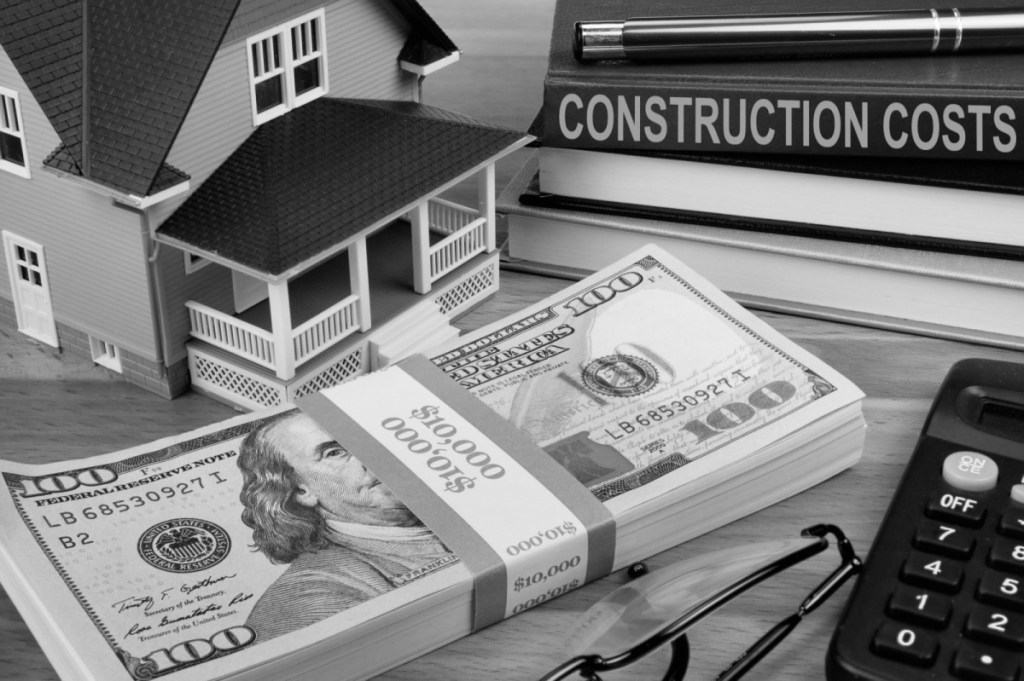
Image: Construction costs by Nick Youngson CC BY-SA 3.0


 The Design Build Collective
Leave a comment