
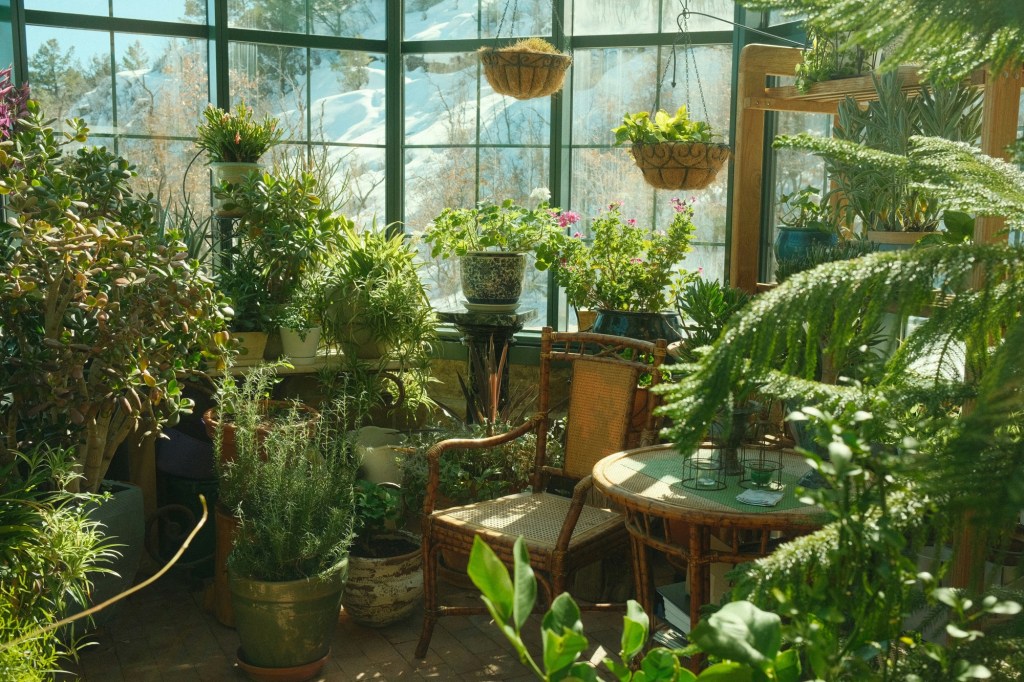
The residential greenhouse market has experienced significant transformation as sustainability and wellness considerations increasingly influence homeowner investment decisions. Contemporary greenhouse installations represent a convergence of functional agriculture, architectural design, and lifestyle enhancement, positioning these structures as sophisticated additions to modern residential properties.
Market Drivers and Consumer Adoption
Current economic conditions, including escalating food costs and heightened consumer awareness of nutritional quality, have contributed to increased interest in residential food production systems. Greenhouse installations provide homeowners with controlled growing environments that enable year-round cultivation, pest management capabilities, and reduced dependence on commercial food supply chains.
The appeal extends beyond economic considerations. These installations offer enhanced growing seasons, improved crop yields, and the ability to maintain organic growing practices without reliance on synthetic inputs, addressing both economic and health-conscious consumer priorities.
Contemporary Design and Technology Integration
Modern greenhouse installations encompass a diverse range of architectural approaches, from minimalist glass-and-aluminum frameworks to integrated lean-to configurations that complement existing residential structures. Advanced installations incorporate sophisticated environmental management systems, including automated climate control, humidity regulation, and programmable lighting systems.
Current greenhouse installations commonly feature:
- Ergonomic growing systems with raised bed configurations and integrated workspace solutions
- Comprehensive climate management including heating, cooling, and automated shading systems
- Water management integration with rainwater collection and automated irrigation networks
- Renewable energy integration through solar power systems for autonomous operation
- Architectural finishes designed to complement existing residential aesthetics
Progressive implementations extend beyond traditional horticultural applications, incorporating seating areas and contemplative spaces that serve dual purposes as both functional growing environments and personal retreat spaces.
Wellness Integration and Lifestyle Benefits
The residential greenhouse trend reflects broader consumer movement toward intentional living practices. These installations provide dedicated spaces for stress reduction, nature connection, and direct participation in food production cycles. For households with children, greenhouses serve as educational platforms for understanding agricultural processes and environmental stewardship.
The therapeutic aspects of greenhouse gardening align with growing consumer interest in mindfulness practices and seasonal living patterns, positioning these installations as wellness infrastructure rather than purely utilitarian additions.
From a property valuation perspective, professionally designed greenhouse installations—particularly those integrated thoughtfully within comprehensive landscape designs—contribute to property differentiation in competitive real estate markets.
Investment Perspective on Outdoor Living Infrastructure
Contemporary residential outdoor investments, whether recreational pools, comprehensive outdoor kitchen installations, or greenhouse facilities, represent fundamental shifts in how homeowners conceptualize and utilize their properties. These high-value additions extend beyond aesthetic enhancement to create functional, year-round outdoor living environments that serve as extensions of interior living spaces.
In current housing markets, outdoor living infrastructure represents essential lifestyle amenities rather than supplementary features. Property owners increasingly recognize the strategic value of comprehensive outdoor living investments in both personal enjoyment and long-term property positioning.

 The Design Build Collective
Leave a comment