
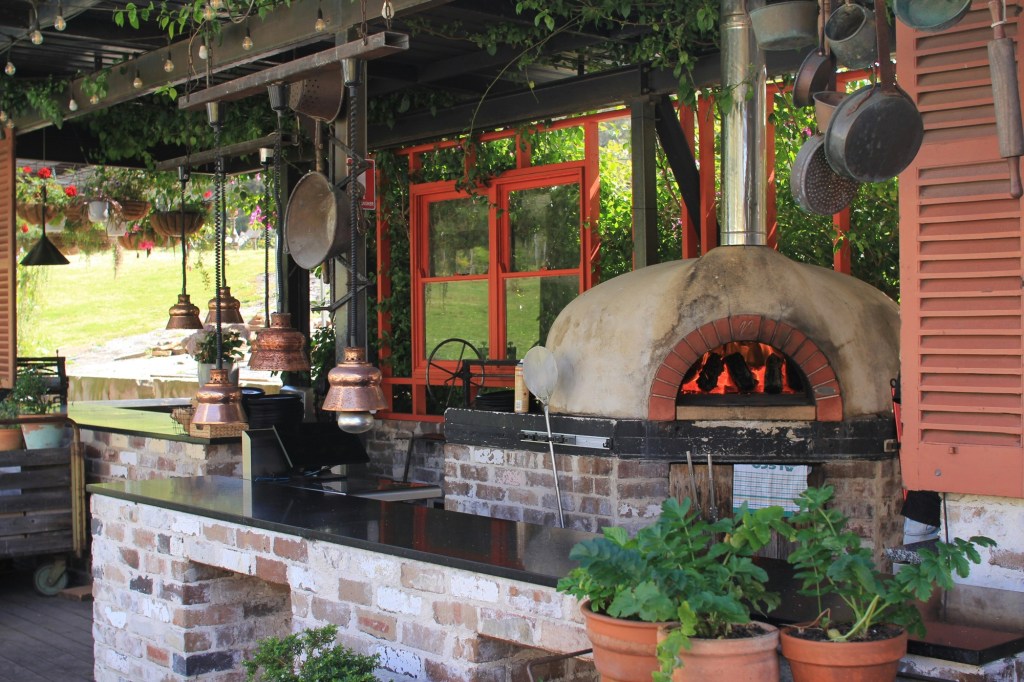
The backyard barbecue has undergone a dramatic transformation. What once meant dragging a portable grill onto the patio has evolved into sophisticated outdoor culinary spaces that rival the finest indoor kitchens. These alfresco cooking destinations are reshaping how we think about home design, entertainment, and the very concept of indoor-outdoor living.
The Perfect Storm of Outdoor Living
The surge in outdoor kitchen popularity isn’t happening by accident. Modern lifestyles have created the ideal conditions for this trend to flourish. Remote work has blurred the lines between home and office, making homeowners more invested in maximizing every square foot of their property. The pandemic accelerated our appreciation for outdoor spaces, while rising real estate costs have made expanding existing homes more attractive than moving.
Climate considerations play a crucial role too. In sun-soaked regions like Southern California and Florida, outdoor kitchens extend the usable seasons well into what were traditionally indoor months. Even in areas with distinct seasons, innovative design elements—think retractable awnings, radiant heaters, and weatherproof materials—are pushing the boundaries of year-round outdoor cooking.
Beyond the Basic Barbecue
Today’s outdoor kitchens are architectural marvels that would make professional chefs envious. The evolution goes far beyond upgrading from charcoal to gas. Modern installations feature:
Cooking Arsenal: Professional-grade grills with multiple heat zones, rotisserie capabilities, and precision temperature controls. Many homeowners are adding wood-fired pizza ovens, dedicated smoking chambers, and even tandoor ovens for authentic international cuisine.
Climate Control: Built-in refrigeration systems, beverage centers, and ice makers ensure ingredients stay fresh and drinks stay cold. Wine enthusiasts are installing temperature-controlled wine storage designed specifically for outdoor conditions.
Prep Perfection: Expansive countertops crafted from weather-resistant materials like granite, quartz, or concrete provide ample workspace. Deep sinks with hot and cold water, along with outdoor-rated dishwashers, make cleanup as convenient as any indoor kitchen.
Storage Solutions: Custom cabinetry protects cookware, utensils, and pantry items from the elements while keeping everything within arm’s reach.
The aesthetic component has become equally important. Designers are creating cohesive outdoor environments that complement the home’s architecture, featuring custom tile work, integrated lighting systems, and carefully planned landscaping that makes the kitchen feel like a natural extension of the property.
The New Social Center
Outdoor kitchens fundamentally change the dynamics of home entertaining. No longer does the host disappear into the house to prepare meals, missing conversations and connections. These spaces keep the cook at the center of the action, transforming meal preparation into a shared experience.
The ripple effect extends beyond cooking. Outdoor kitchens often anchor larger entertainment zones that might include dining areas with pergolas, conversation pits around fire features, outdoor bars, and even weatherproof entertainment systems. The result is a backyard that functions as the home’s primary gathering space during pleasant weather.
For families, outdoor kitchens create new opportunities for connection. Children can play nearby while parents cook, teenagers naturally gravitate toward the outdoor action, and grandparents find comfortable seating to supervise and socialize. The space becomes less about formal entertaining and more about daily family life happening in a beautiful setting.
Investment That Pays Dividends
The financial case for outdoor kitchens extends beyond personal enjoyment. Real estate professionals consistently rank outdoor cooking spaces among the most desirable features for buyers, particularly in markets where outdoor living is feasible year-round. While a high-end outdoor kitchen installation can represent a significant investment—often ranging from $20,000 to $100,000 or more—the return comes in multiple forms.
Property value increases are just part of the equation. The lifestyle benefits often prove more valuable to homeowners: reduced need for restaurant dining, increased use of outdoor space, and the ability to host memorable gatherings that strengthen relationships and create lasting memories.
For many families, the outdoor kitchen becomes the catalyst for a more connected, slower-paced lifestyle that prioritizes time together over time spent in cars traveling to restaurants or entertainment venues.
Designing for Your Lifestyle
The best outdoor kitchens reflect their owners’ cooking styles, entertaining patterns, and aesthetic preferences. Weekend warriors might prioritize grilling space and beverage storage, while serious cooks might invest in pizza ovens and extensive prep areas. Frequent entertainers often focus on seamless flow between cooking, dining, and lounging areas.
The key lies in viewing the outdoor kitchen not as a luxury addition but as a fundamental reimagining of how indoor and outdoor spaces can work together to create a more enjoyable, functional home environment. When designed thoughtfully, these spaces don’t just add square footage—they transform how families live, cook, and connect with each other and their guests.
As the lines between indoor and outdoor living continue to blur, outdoor kitchens represent more than a trend. They’re a glimpse into the future of home design, where the boundaries of our living spaces extend as far as our imagination and the limits of our property lines.




 The Design Build Collective
Leave a comment