
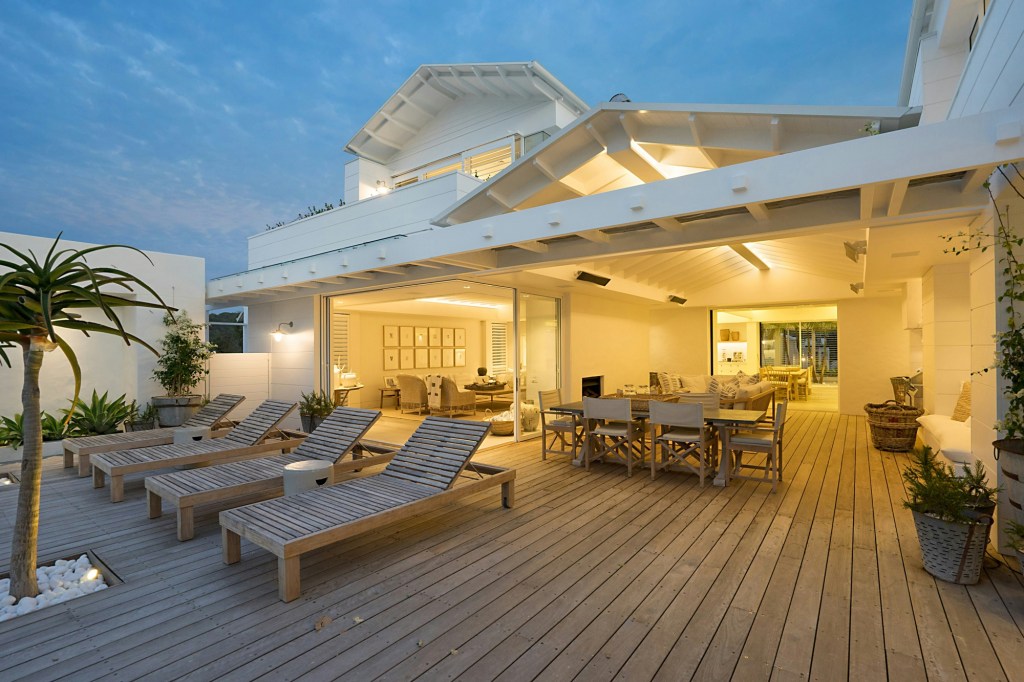
The covered patio has emerged as the crown jewel of modern outdoor living. No longer just a simple overhang or basic pergola, today’s covered outdoor spaces rival interior rooms in both comfort and sophistication. These weather-protected sanctuaries have become non-negotiable features in luxury home construction and the cornerstone of ambitious remodeling projects nationwide.
The Evolution of Outdoor Shelter
What began as rudimentary shade structures has transformed into architectural masterpieces that seamlessly blend indoor comfort with outdoor ambiance. The modern covered patio represents a fundamental shift in how we approach outdoor living—moving beyond seasonal use to creating truly functional outdoor rooms that extend the home’s living space regardless of weather conditions.
This evolution reflects changing lifestyle priorities. Homeowners increasingly view their outdoor spaces as essential living areas rather than occasional-use amenities. The covered patio answers the age-old challenge of outdoor living: how to enjoy nature’s beauty while maintaining protection from its less pleasant elements.
Climate change has accelerated this trend, with more intense sun exposure, unpredictable weather patterns, and extended periods of extreme temperatures making covered outdoor spaces not just luxurious but practical necessities.
Architectural Sophistication Meets Functional Design
Today’s covered patios showcase remarkable diversity in design approaches, materials, and functionality. High-end installations feature:
Structural Excellence: Heavy timber construction, steel beam frameworks, and engineered trusses create spans that would have been impossible with earlier construction methods. These robust structures support not just roofing materials but integrated lighting, ceiling fans, audio systems, and even outdoor televisions.
Weather Management: Advanced roofing systems using materials like standing seam metal, clay tiles, or high-performance synthetic materials provide complete weather protection. Many designs incorporate guttering systems, downspouts, and drainage solutions that manage water flow without compromising the aesthetic appeal.
Climate Control Integration: Luxury covered patios now include misting systems for cooling, radiant heaters for warmth, and high-performance ceiling fans that create comfortable air circulation. Some installations even feature retractable screens or glass panels that can enclose the space when needed.
Lighting Design: Sophisticated electrical systems support layered lighting schemes including ambient lighting, task lighting for dining and cooking areas, and accent lighting that highlights architectural features and landscaping.
The material palette has expanded dramatically. Natural stone columns, stained concrete floors, exposed beam ceilings, and custom millwork create spaces that feel more like interior rooms than traditional outdoor areas.
The Luxury Home Standard
In today’s luxury home market, covered outdoor living spaces have transitioned from desirable amenities to expected features. Builders report that discerning buyers specifically seek homes with substantial covered outdoor areas, often prioritizing these spaces over additional indoor square footage.
The appeal lies in versatility. A well-designed covered patio can function as an outdoor dining room, living room, home office, or entertainment center. During social gatherings, these spaces become natural focal points that keep guests comfortable regardless of sun, wind, or light precipitation.
High-end developments routinely feature covered patios as standard amenities, often with premium upgrades like outdoor kitchens, fireplaces, and built-in seating areas. The most luxurious installations create outdoor rooms that rival the home’s interior spaces in both comfort and style.
For custom home builders, covered patios represent opportunities to showcase architectural creativity while adding significant value. These spaces allow for dramatic roof lines, interesting material combinations, and seamless indoor-outdoor transitions that define luxury living.
Remodeling Game Changer
Existing homeowners are discovering that adding covered outdoor living spaces can transform their properties more dramatically than traditional interior renovations. These projects offer several advantages over indoor remodeling:
Space Multiplication: Covered patios effectively add usable square footage without the complexities of interior construction. Homeowners gain functional living space without dealing with structural modifications to existing rooms.
Cost Effectiveness: While high-end covered patios require significant investment, they typically cost less per square foot than equivalent interior additions. The projects avoid many of the complications associated with interior work—no need to relocate during construction, minimal disruption to existing living spaces, and fewer permit complications.
Immediate Impact: Unlike interior renovations that may take months to complete, covered patio projects can often be finished in weeks, allowing homeowners to enjoy the benefits quickly.
Year-Round Functionality: Strategic design choices enable these spaces to function comfortably across seasons. Proper orientation, heating elements, and weather protection create outdoor rooms that extend the home’s functionality throughout the year.
Remodeling projects increasingly incorporate covered patios as central elements of comprehensive outdoor living renovations that might include outdoor kitchens, fire features, pools, and landscaping upgrades.
Design Integration and Flow
The most successful covered patio installations create seamless transitions between indoor and outdoor living areas. Architects and designers achieve this through careful attention to:
Proportional Relationships: The covered patio must relate properly to the home’s scale and architecture. Oversized structures can overwhelm smaller homes, while undersized covers may seem inadequate for larger properties.
Material Continuity: Using complementary materials, colors, and finishes helps the covered space feel like a natural extension of the home rather than an afterthought addition.
Functional Connections: Strategic placement of doors, windows, and pass-through openings creates natural flow between indoor and outdoor areas, making the covered patio feel integral to the home’s layout.
Sight Lines and Ceiling Continuity: Thoughtful positioning ensures that the covered patio enhances rather than blocks important views from interior rooms. Many luxury designs now vault the living room ceiling and continue that same vaulted architecture into the covered patio, creating a dramatic sense of spaciousness that visually connects the interior and exterior spaces. This ceiling continuity makes the covered area feel like a natural extension of the main living space rather than a separate outdoor room.
When planning vaulted covered patios, this is the ideal time to determine your framing approach. Stick framing the roof provides maximum flexibility for vaulting options, allowing you to match the exact pitch and create seamless ceiling transitions. Alternatively, scissor trusses can achieve similar vaulted effects more cost-effectively, though some homeowners find that the vault pitch doesn’t perfectly align with the roof deck pitch, creating a visual disconnect. You can address this by tying the pitch change into a closed gable end that conceals the transition from exterior view, but this design choice limits natural light penetration into the space. The framing decision significantly impacts both the visual outcome and lighting quality of your covered outdoor area.
The Investment Perspective
Real estate professionals consistently identify covered outdoor living spaces as high-value features that appeal to buyers across multiple price points. Unlike some luxury amenities that appeal to narrow demographics, covered patios offer universal appeal—families appreciate the protected play areas, entertainers value the weather-independent gathering spaces, and empty nesters enjoy the low-maintenance outdoor living opportunities.
The return on investment extends beyond direct property value increases. Homeowners report reduced spending on entertainment and dining out, as covered patios make home-based entertaining more appealing and practical. The spaces also encourage more frequent use of outdoor areas, effectively expanding the home’s functional living space.
For many homeowners, the lifestyle benefits prove even more valuable than financial returns. These spaces create opportunities for relaxation, entertainment, and family connection that simply weren’t possible with traditional uncovered outdoor areas.
Future-Proofing Outdoor Living
As climate patterns continue to evolve and outdoor living expectations rise, covered patios represent smart long-term investments in home functionality and value. These spaces adapt to changing needs—serving as outdoor offices during remote work periods, entertainment centers during social gatherings, and peaceful retreats during quiet moments.
The trend toward covered outdoor living reflects a broader shift in home design philosophy that prioritizes flexibility, comfort, and connection with nature. As homeowners continue to seek ways to maximize their properties’ potential while enhancing their quality of life, covered patios offer compelling solutions that deliver both immediate enjoyment and lasting value.
The covered patio has evolved from simple shade structure to essential luxury feature, representing the future of outdoor living where comfort, style, and functionality converge to create truly exceptional living spaces.


 The Design Build Collective
Leave a comment