
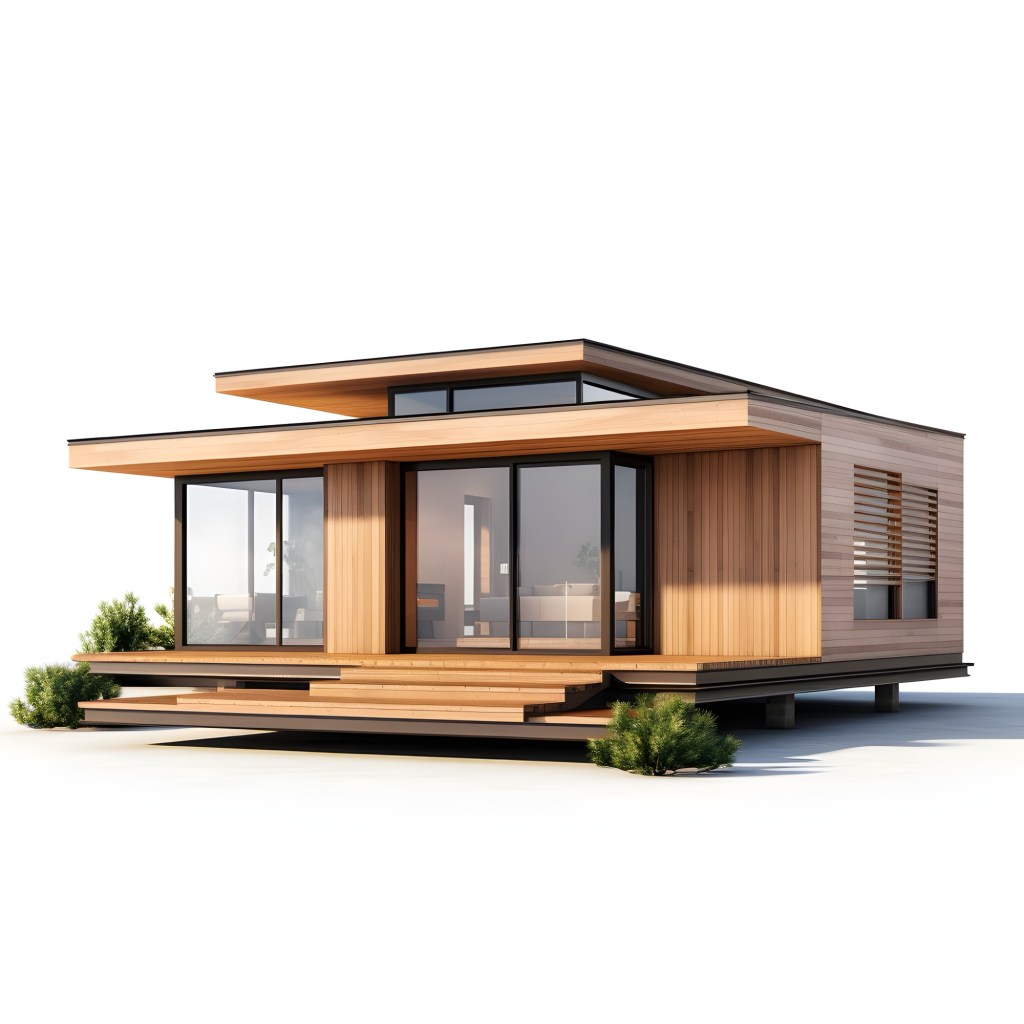
Accessory Dwelling Units have become increasingly popular as homeowners discover their potential for generating rental income and accommodating multigenerational living arrangements. When planning an ADU project, one of the most critical decisions you’ll face is choosing between prefabricated and custom-built construction. Each approach offers distinct advantages and trade-offs that can significantly impact your project’s timeline, budget, and final outcome.
Understanding Prefabricated ADUs
Prefabricated ADUs are constructed in controlled factory environments before being transported to your property. These units arrive either as complete structures or in large modular sections that require minimal on-site assembly. The manufacturing process allows for standardized designs and streamlined production schedules.
Key Advantages of Prefab ADUs
Accelerated Construction Timeline
Factory production runs parallel to site preparation work, typically reducing total project duration to 3-6 months. This efficiency stems from weather-independent manufacturing and the ability to work on multiple project components simultaneously.
Cost Transparency and Control
Prefab manufacturers typically offer fixed pricing structures with clearly defined upgrade options. This predictability helps prevent budget overruns and allows for more accurate financial planning from the project’s outset.
Reduced Construction Impact
Since the majority of construction occurs off-site, homeowners experience minimal daily disruption. Noise, dust, and contractor traffic are significantly reduced compared to traditional building methods.
Enhanced Quality Assurance
Factory-controlled environments enable consistent building practices, precise material handling, and systematic quality checks throughout the construction process. This controlled setting often results in superior craftsmanship and reduced material waste.
Prefab ADU Limitations
Design Constraints
Most prefab manufacturers offer limited floor plan variations and finish selections. While some customization options exist, fundamental design elements like room layouts and structural configurations are typically fixed.
Site Access Requirements
Delivery and installation require adequate access for large transport vehicles and cranes. Properties with narrow driveways, steep grades, or limited clearance may face installation challenges or additional costs.
Regulatory Compliance
Prefab construction doesn’t eliminate permitting requirements. Local building codes, zoning regulations, and utility connections must still be addressed according to municipal requirements.
Exploring Custom-Built ADUs
Custom-built ADUs are designed specifically for your property and constructed entirely on-site. This approach involves working with architects, designers, and contractors to create a structure tailored to your exact specifications and site conditions.
Custom ADU Benefits
Unlimited Design Flexibility
Custom construction allows complete control over architectural style, interior layouts, material selections, and finish details. This freedom enables perfect integration with existing home aesthetics or the creation of entirely unique design statements.
Site-Specific Solutions
Custom designs can effectively address challenging lot conditions including steep slopes, irregular boundaries, mature landscaping, and restrictive setbacks. Architects can optimize space utilization while respecting site constraints.
Long-Term Investment Value
Thoughtfully designed custom ADUs often contribute more significantly to overall property value, particularly when they complement the main residence and neighborhood character.
Custom Construction Considerations
Extended Project Duration
The design development, permitting, and construction phases typically require 6-12 months or longer, depending on project complexity and local approval processes.
Variable Cost Structure
Custom projects involve numerous variables that can impact final costs, including material selections, labor rates, site conditions, and design complexity. Budget management requires careful planning and contingency reserves.
Increased Owner Involvement
Custom projects demand more decision-making and project oversight from homeowners, or alternatively, engaging experienced project management professionals to guide the process.
Comparative Analysis
| Consideration | Prefab ADU | Custom-Built ADU |
|---|---|---|
| Timeline | 3-6 months | 6-12+ months |
| Budget Predictability | High (fixed pricing) | Variable (depends on choices) |
| Design Options | Limited selections | Unlimited possibilities |
| Site Disruption | Minimal | Moderate to significant |
| Lot Adaptability | Requires suitable access | Adapts to any conditions |
| Permitting Process | Required (standardized) | Required (custom review) |
Making Your Decision
Prefab ADUs work well when:
- Speed and budget certainty are primary concerns
- Your lot has good access for delivery equipment
- Standard floor plans meet your space requirements
- Minimal construction disruption is important
Custom-built ADUs are ideal when:
- Your property has unique challenges or opportunities
- Specific design vision or integration with existing home is priority
- Long-term property value optimization is the goal
- Timeline flexibility allows for the extended process
Moving Forward with Your ADU Project
Both prefab and custom ADUs can successfully add valuable living space and potential income to your property. The optimal choice depends on balancing your priorities around timeline, budget, design preferences, and site-specific factors. Consider consulting with local ADU specialists who can evaluate your property and help determine which approach aligns best with your goals.
Whether you choose the efficiency of prefab construction or the flexibility of custom building, careful planning and professional guidance will help ensure your ADU project delivers the results you envision.


 The Design Build Collective
Leave a comment