
As more homeowners embrace the concept of aging in place, Accessory Dwelling Units (ADUs) have emerged as an increasingly popular solution. These versatile structures offer flexibility, independence, and cost-effective housing options. From backyard cottages designed for elderly parents to converted garages that anticipate future needs, ADUs present unique opportunities to implement Universal Design principles that benefit residents both today and tomorrow.
Understanding Universal Design
Universal Design represents a comprehensive approach to construction and renovation that prioritizes usability for individuals across all age groups and ability levels. This philosophy extends beyond basic accessibility requirements, focusing instead on creating environments that are inherently intuitive, secure, and dignified for every occupant.
When incorporated into ADU planning, Universal Design transforms these compact living spaces into stylish, functional homes that remain comfortable and practical throughout a resident’s changing needs over time.
The Strategic Value of Universal Design in ADUs
The compact, independent nature of ADUs makes them ideal candidates for aging-in-place strategies. Thoughtful Universal Design implementation delivers multiple benefits:
- Enhanced independence for aging family members who want to maintain their autonomy
- Future-proofing your property investment to accommodate evolving personal needs
- Increased property value through improved versatility and broader market appeal
- Expanded rental opportunities by accommodating tenants with diverse mobility requirements
Essential Universal Design Elements for ADUs
1. Barrier-Free Entry Points
Design at least one entrance without steps or stairs. Create gentle slopes for walkways, install flush door thresholds, and ensure doorways measure at least 36 inches wide. This approach accommodates wheelchairs, walkers, and strollers while maintaining an attractive exterior appearance.
2. One-Level Floor Plans
Prioritize single-story designs to eliminate stair-related challenges. Open-concept layouts facilitate easier movement throughout the space while improving visual connections between rooms, creating a sense of spaciousness despite the compact footprint.
3. Generous Passage Dimensions
Plan for hallways with a minimum width of 42 inches. This specification provides adequate clearance for mobility devices while preserving the home’s aesthetic appeal and flow.
4. Thoughtfully Designed Bathrooms
Balance safety considerations with elegant design choices. Install curbless showers that eliminate trip hazards and provide seamless wheelchair access. Complement these with attractive grab bars and adjustable handheld showerheads mounted on sliding rails.
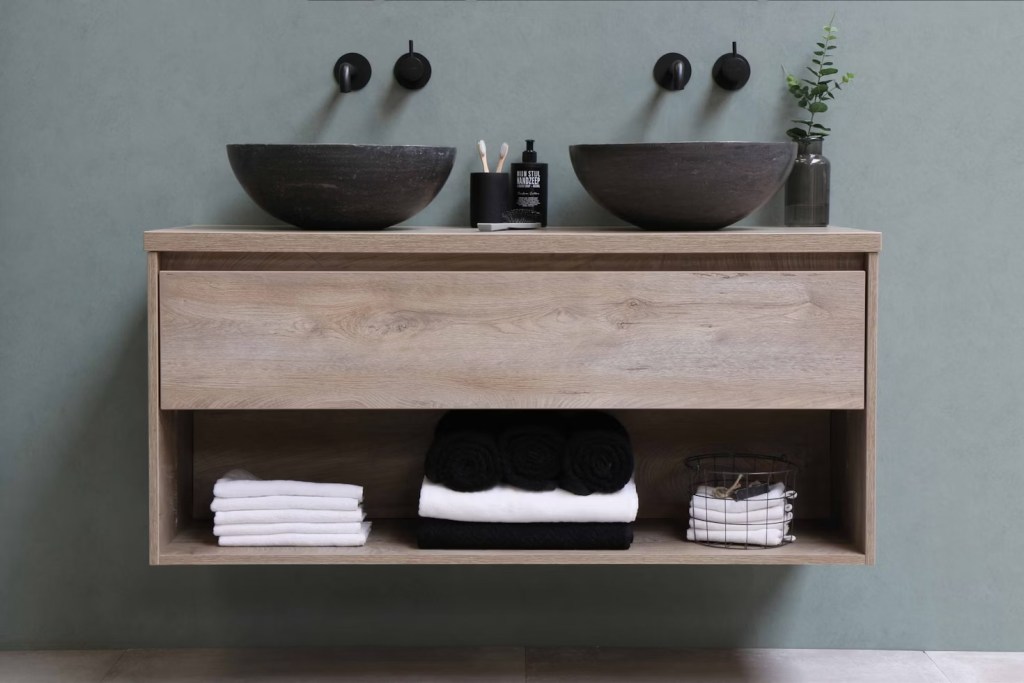
Choose floating vanities that offer knee clearance for seated users while contributing to a contemporary, open feel. Select non-slip flooring materials, comfort-height toilets, and lever-operated faucets to ensure functionality across all user abilities.
5. Adaptive Kitchen Solutions
Incorporate features such as varied counter heights, pull-out storage systems, drawer-style dishwashers, and side-opening wall ovens. Maintain clear floor areas for wheelchair navigation and position frequently used items within easy reach.
6. User-Friendly Hardware and Technology
Install lever-style door handles and cabinet pulls instead of traditional knobs. Consider integrating smart home systems that enable voice or smartphone control of lighting, temperature, and security features.
7. Comprehensive Lighting Strategy
Implement multiple lighting layers including ambient, task, and accent illumination to reduce fall risks and enhance comfort. Maximize natural light through strategically placed windows and skylights when possible.
Achieving Beauty Through Function
Universal Design principles don’t require sacrificing aesthetic appeal for practicality. Modern design solutions offer numerous ways to integrate safety features seamlessly into attractive spaces. Consider grab bars that serve dual purposes as towel holders, or select slip-resistant tiles that mimic the appearance of natural wood or stone.
Looking Forward
Integrating Universal Design into ADU development represents both a wise financial investment and a thoughtful approach to long-term living needs. Whether you’re creating a space for a family member or planning for your own future requirements, these design strategies help ensure that residents can maintain comfort, independence, and dignity throughout all life stages.
When embarking on an ADU project or home renovation, collaborating with design professionals who specialize in Universal Design principles can make the difference between a good space and a truly exceptional one. The planning decisions you make today will continue to provide benefits for years to come.



 The Design Build Collective
Leave a comment