
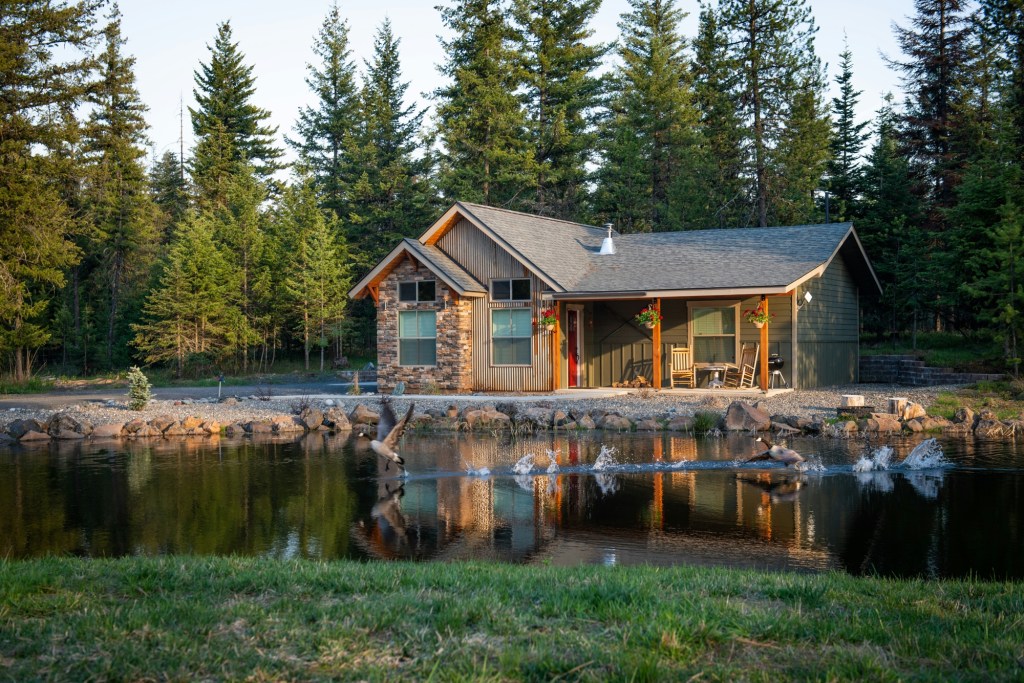
As cities grow denser and housing trends evolve, the humble Accessory Dwelling Unit (ADU) has become more than just a backyard cottage or in-law suite—it’s a financial opportunity. With platforms like Airbnb and Vrbo, homeowners are discovering that their ADUs can double as income-generating short-term rentals. But how do you turn that potential into profit?
Here’s a practical guide to transforming your ADU into a successful short-term rental.
1. Know the Rules
Before you list your ADU, check your local zoning regulations and short-term rental ordinances. Many cities require permits, limit the number of days you can rent, or mandate that the unit be your primary residence.
- Licensing and registration requirements
- Tax obligations (transient occupancy tax)
- Insurance and liability coverage
- Parking and occupancy limits
Don’t skip this step—noncompliance can lead to hefty fines or forced removal from rental platforms.
2. Design With Guests in Mind
Guests expect a well-thought-out space that’s clean, private, and functional. If you’re still in the design or renovation phase, keep these features in mind:
- Separate entrance: A private entryway adds value and privacy for guests.
- Kitchenette: A compact kitchen setup with a microwave, fridge, and coffee station goes a long way.
- Comfort-focused layout: Space-saving furniture, quality linens, and ample lighting create a welcoming feel.
- Storage: Even short-term renters appreciate a place to hang clothes or stash luggage.
Think of your ADU like a boutique hotel suite—cozy but smart.
3. Stage It to Stand Out
Professional photos and tasteful staging can make or break your listing. Aim for:
- Neutral colors and natural light
- Local art or unique design elements
- A welcoming outdoor space (if applicable)
A few thoughtful touches—like a handwritten welcome note, snacks, or a local guidebook—can earn you five-star reviews.
4. Price It Right
Research similar listings in your area to gauge nightly rates. Use tools like Airbnb’s dynamic pricing or PriceLabs to adjust rates based on demand, seasons, and local events.
Tip: Many hosts offer a discount for longer stays (7+ or 30+ days), especially during off-peak seasons.
5. Automate and Streamline
Managing an Airbnb doesn’t have to be a second job. Use smart tools to simplify operations:
- Smart locks for self check-in
- Cleaning services scheduled between bookings
- Messaging apps or automated replies to handle guest questions
The goal is to create a seamless experience for both you and your guests.
6. Build Your Brand
Think beyond the listing. Create a name for your ADU, curate its story, and even consider an Instagram page or simple website. Travelers love unique, authentic stays—and your brand can help set you apart from generic options.
Final Thoughts
Turning your ADU into an Airbnb isn’t just a side hustle—it’s a way to leverage your property as a valuable asset. With smart design, legal due diligence, and thoughtful hosting, you can turn that backyard guesthouse into a steady stream of income and a showcase for your creativity.
Whether you’re a homeowner, designer, or builder, the ADU-as-Airbnb trend is worth exploring. It’s not just where people stay—it’s how you grow.



 The Design Build Collective
Leave a comment