

Building or renovating a home today means making decisions that will impact your living experience for decades to come. While it’s impossible to predict exactly what smart home technologies will emerge in the next 10-20 years, you can make strategic infrastructure choices now that will ensure seamless upgrades later. The key is building a flexible foundation that can adapt to future innovations without requiring major renovations.
The Infrastructure Foundation: Wire for Tomorrow
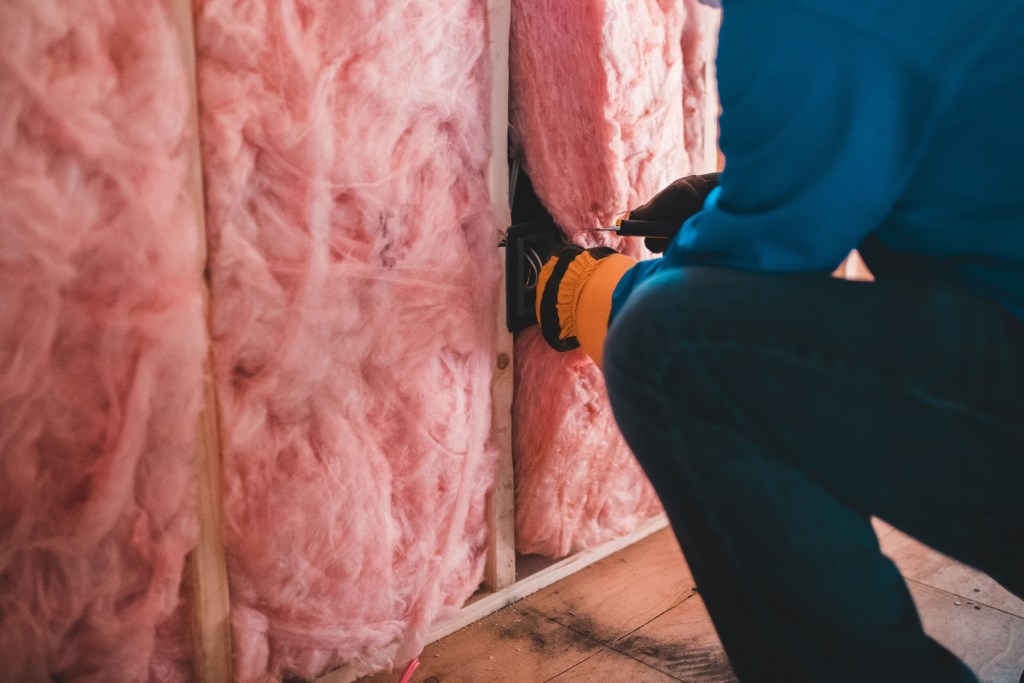
The most critical future-proofing decision happens behind your walls. Once drywall goes up, running new cables becomes expensive and disruptive. Smart builders are installing comprehensive wiring systems that anticipate future needs, even if those needs aren’t immediately apparent.
Structured Cabling Systems represent the backbone of any future-ready home. Cat 6A or Cat 7 ethernet cables should run to every room, with multiple drops in larger spaces. While Wi-Fi handles many current devices, hardwired connections remain faster, more reliable, and more secure. Future smart home hubs, security systems, and high-bandwidth devices will benefit from dedicated ethernet connections.
Consider running cables to locations that might seem unnecessary today but could become essential tomorrow. Ceiling-mounted access points for whole-home Wi-Fi, outdoor security cameras, garage door openers, and even garden irrigation controllers all benefit from hardwired connections. Installing conduit systems allows you to pull additional cables later without opening walls.
Power Infrastructure deserves equal attention. Standard electrical outlets won’t support the power demands of future smart home systems. Install dedicated 20-amp circuits for home automation hubs, network equipment, and charging stations. Consider running 240V outlets to areas where electric vehicle chargers, heat pumps, or high-powered smart appliances might be installed later.
Smart Electrical: Beyond Basic Switches
Traditional light switches and outlets are rapidly becoming obsolete, but you don’t need to install every smart device immediately. Instead, focus on creating the infrastructure that makes future upgrades simple.
Neutral Wires are essential for most smart switches and dimmers. Many older homes lack neutral wires at switch locations, making smart switch installation impossible without rewiring. Ensure every switch box includes a neutral wire, even if you’re installing traditional switches initially. This single decision can save thousands in rewiring costs later.
Deep Switch Boxes accommodate smart switches, which are typically larger than traditional switches. Standard electrical boxes often lack sufficient depth for smart devices and their wire connections. Installing 2.5-inch deep boxes or old-work boxes provides room for future upgrades.
Consider installing smart-ready electrical panels with surge protection and monitoring capabilities. These panels can track energy usage, detect electrical issues, and integrate with whole-home automation systems. While the initial cost is higher, they eliminate the need for panel upgrades when adding comprehensive smart home systems.
Network Infrastructure: The Digital Nervous System
Your home’s network infrastructure determines how well smart devices communicate and how easily you can add new technologies. Building a robust network foundation ensures optimal performance as device counts increase.
Centralized Network Closets provide a dedicated space for networking equipment, internet service entry points, and home automation hubs. This closet should include adequate ventilation, dedicated electrical circuits, and ethernet connections to every room. Having a central location makes troubleshooting easier and provides room for equipment expansion.
Mesh Network Preparation involves installing ethernet backhaul connections between potential wireless access point locations. While mesh systems can work wirelessly, ethernet-backhauled mesh networks provide superior performance and reliability. Pre-wiring for mesh systems ensures optimal coverage as homes fill with smart devices.
Fiber Optic Preparation positions your home for ultra-high-speed internet services. While fiber to the home isn’t available everywhere yet, installing conduit from your electrical meter to a central network location prepares for future fiber installations. Some builders are installing fiber-ready infrastructure even in areas without current fiber service.
Climate and Energy Systems: Smart from the Start
HVAC and electrical systems offer significant opportunities for future-proofing, particularly as energy costs rise and climate technologies advance.
Smart Thermostat Infrastructure requires C-wire connections for reliable operation. Many existing homes lack C-wires, forcing homeowners to install power adapters or upgrade HVAC wiring. Installing proper thermostat wiring during construction eliminates these complications and ensures compatibility with advanced climate control systems.
Zone Control Preparation involves installing dampers and temperature sensors that enable room-by-room climate control. While you might not install a full zoning system initially, having the dampers and sensor wiring in place makes future upgrades significantly less expensive. Smart zoning systems can reduce energy costs by 20-30% while improving comfort.
Electric Vehicle Readiness means installing 240V outlets in garages and considering electrical panel capacity for future EV chargers. Even if you don’t own an electric vehicle today, EV adoption is accelerating rapidly. Installing the electrical infrastructure during construction costs a fraction of retrofitting later.
Solar and Battery Preparation involves electrical panel space and conduit routing for future renewable energy systems. Solar installations require specific electrical connections and panel space. Battery backup systems need dedicated electrical circuits. Installing the basic infrastructure positions your home for energy independence as costs decline.
Security and Monitoring: Building in Safety
Physical security systems benefit enormously from proper planning during construction. Retrofitting security systems into existing homes often involves unsightly surface-mounted cables and limited placement options.
Pre-wiring for Cameras should include power and data connections at key locations around your home’s exterior and interior. Consider sight lines, lighting conditions, and weather protection when planning camera locations. Running cables during construction keeps them hidden and protected.
Access Control Infrastructure includes proper electrical connections for smart locks, garage door openers, and gate controls. Smart locks often require specific door preparations and electrical connections. Garage door openers benefit from dedicated electrical circuits and network connections for smartphone control and monitoring.
Whole-Home Monitoring systems can integrate smoke detection, carbon monoxide monitoring, water leak detection, and security systems into comprehensive safety platforms. Installing proper wiring and sensor mounting points during construction creates a foundation for advanced monitoring systems.
Audio and Entertainment: Wiring for Media Evolution
Entertainment systems continue evolving rapidly, but proper wiring infrastructure remains constant. Planning for current and future audio-visual needs prevents expensive retrofitting.
Whole-Home Audio Preparation involves speaker wire to multiple zones throughout your home. Even if you don’t install a distributed audio system immediately, having speaker wire in place makes future installations simple. Consider outdoor areas, bathrooms, and bedrooms for potential audio zones.
Video Distribution requires coaxial or ethernet cables to potential TV locations throughout your home. Streaming services are replacing cable TV, but many households still benefit from centralized video distribution systems. Planning for multiple TV locations provides flexibility as family needs change.
Home Theater Infrastructure includes dedicated electrical circuits, ethernet connections, and proper acoustic preparations for potential media rooms. Home theaters require significant power for amplifiers and projectors, plus network connections for streaming services.
Automation and Control: The Smart Home Brain
Central control systems coordinate all smart home functions, but these systems require proper infrastructure to operate effectively.
Hub Locations need dedicated electrical circuits, ethernet connections, and adequate ventilation. Smart home hubs generate heat and require reliable power and network connections. Planning hub locations prevents connectivity issues and ensures reliable operation.
Sensor Infrastructure includes mounting points and power connections for motion sensors, door/window sensors, and environmental monitors. Many smart home functions depend on sensor data, so planning sensor locations during construction ensures optimal system performance.
Integration Pathways involve conduit systems that allow future cable runs between different home systems. Smart homes increasingly integrate lighting, climate, security, and entertainment systems. Having pathways for integration cables prevents the need to open walls for future upgrades.
Planning for the Unknown
The most successful future-proofing strategies focus on flexibility rather than trying to predict specific future technologies. Building infrastructure that can adapt to various possibilities provides the best long-term value.
Modular Design Principles involve creating systems that can grow and change over time. Instead of fixed installations, consider modular approaches that allow components to be added, removed, or relocated as needs change.
Standardized Connections reduce future compatibility issues. Using industry-standard cables, connectors, and mounting systems ensures that future devices can integrate with existing infrastructure.
Expansion Capacity means installing infrastructure with room to grow. Electrical panels should have extra circuit capacity, network closets should have room for additional equipment, and conduit systems should include spare capacity for future cables.
Making Smart Decisions Today
Future-proofing your home requires balancing current needs with future possibilities. Focus on infrastructure investments that provide flexibility rather than trying to install every possible smart device immediately. The goal is creating a foundation that makes future upgrades simple and cost-effective.
Start with comprehensive wiring infrastructure, including ethernet cables, neutral wires for smart switches, and conduit systems for future cable runs. Plan electrical systems with adequate capacity for future high-power devices like EV chargers and smart appliances. Create dedicated spaces for networking equipment and home automation hubs.
Remember that future-proofing is about creating possibilities, not predicting the future. By building flexible infrastructure today, you ensure that your home can adapt to whatever smart technologies emerge in the coming decades. The additional upfront investment in proper wiring and electrical infrastructure pays dividends for years to come, preventing expensive retrofitting and ensuring your home remains at the forefront of smart home technology.
The smart homes of tomorrow will be built on the infrastructure decisions you make today. Invest in comprehensive wiring, adequate electrical capacity, and flexible systems that can grow with changing technology. Your future self will thank you for the foresight.


 The Design Build Collective
Leave a comment