
When planning a new construction project or major renovation, one of the most critical decisions involves choosing between stick framing and truss systems for your roof. Both methods have distinct advantages and drawbacks that can significantly impact your project’s cost, timeline, and final design. Understanding these differences will help you make an informed decision that aligns with your specific needs and goals.
What Are Stick Framed Roofs?
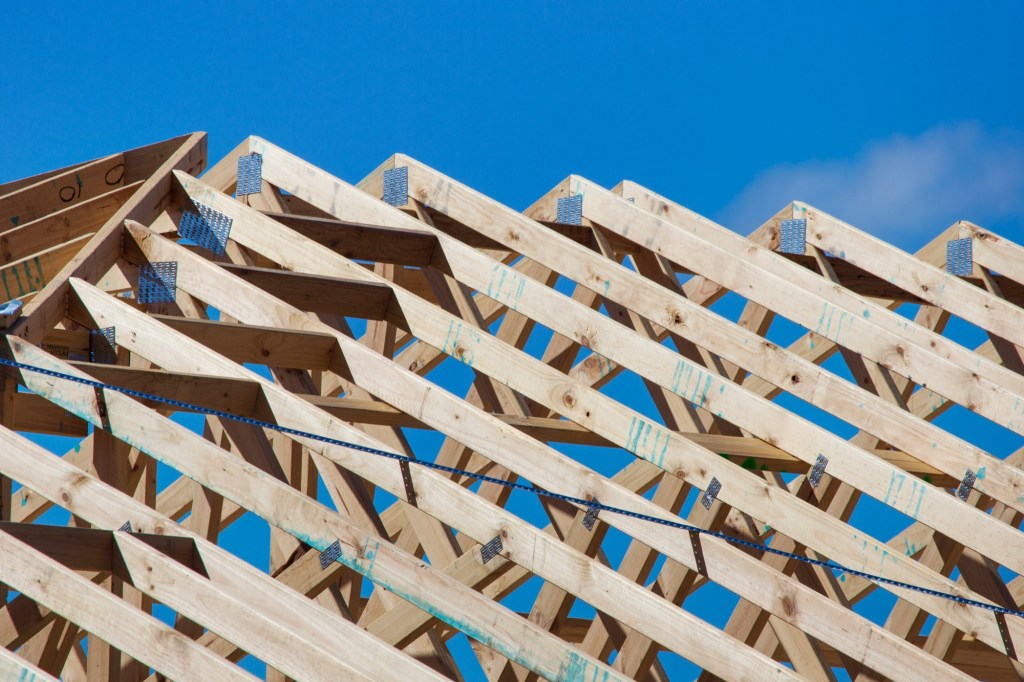
Stick framing, also known as conventional framing, involves constructing the roof structure piece by piece on-site using individual lumber components. Carpenters cut and assemble rafters, ridge beams, collar ties, and other structural elements according to the building plans. This traditional method has been used for centuries and remains popular for custom homes and complex roof designs.
What Are Roof Trusses?
Roof trusses are pre-engineered structural frameworks manufactured off-site in controlled factory conditions. These triangulated assemblies distribute loads efficiently across the structure and arrive at the job site ready for installation. Trusses are designed using computer software and constructed with precision-cut lumber connected by metal plates or other engineered fasteners.
Advantages of Stick Framing
Design Flexibility: Stick framing offers unparalleled design freedom. Builders can easily accommodate complex roof lines, dormers, skylights, and unique architectural features. Changes can be made on-site without requiring new engineering calculations or factory modifications.
Attic Space Utilization: Conventional framing typically provides more usable attic space since there are fewer structural members obstructing the interior. This makes it easier to install HVAC systems, plumbing, and electrical components, or to finish the space for storage or living areas.
Local Material Sourcing: Stick framing uses standard lumber that can be purchased locally, potentially reducing material costs and supporting local suppliers. This also eliminates delivery scheduling constraints associated with custom-manufactured trusses.
Skilled Craftsmanship: Many experienced carpenters prefer stick framing because it showcases traditional building skills and allows for on-site problem-solving and customization.
Vaulted Ceiling Compatibility: When you want the interior ceiling to follow the roofline exactly, stick framing is often the only practical option. This is particularly important for cathedral ceilings, exposed beam designs, or any situation where the roof deck and ceiling plane need to match perfectly.
Disadvantages of Stick Framing
Higher Labor Costs: Stick framing requires more skilled labor and time on-site. The piece-by-piece construction process is labor-intensive and can significantly increase labor costs, especially in markets with high carpenter wages.
Weather Dependency: Since much of the work occurs on-site, weather conditions can delay progress and affect the quality of construction. Rain, snow, or extreme temperatures can halt work and potentially damage materials.
Material Waste: Cutting lumber to fit specific dimensions often results in more waste compared to the precision manufacturing of trusses. This waste adds to both material costs and disposal expenses.
Longer Construction Timeline: The time required to measure, cut, fit, and install each component individually makes stick framing slower than truss installation, potentially extending the overall project timeline.
Quality Variability: The final product depends heavily on the skill level of the carpenters performing the work, which can lead to inconsistencies in quality from one project to another.
Advantages of Roof Trusses
Cost Effectiveness: Trusses are typically less expensive than stick framing when considering both material and labor costs. The factory production process achieves economies of scale that individual job sites cannot match.
Speed of Installation: Pre-manufactured trusses can be installed quickly, often completing the roof structure in a single day. This rapid installation reduces labor costs and accelerates the overall construction schedule.
Engineered Precision: Trusses are designed using sophisticated engineering software that ensures optimal load distribution and structural integrity. Each truss comes with engineered specifications that guarantee performance.
Consistent Quality: Factory-controlled manufacturing conditions produce uniform, high-quality components that meet strict standards. This consistency reduces the risk of structural problems and callbacks.
Span Capabilities: Engineered trusses can span greater distances without intermediate support, allowing for larger open floor plans and more flexible interior layouts.
Weather-Independent Manufacturing: Since trusses are built in factories, weather conditions don’t affect their quality or production schedule, ensuring consistent availability.
Disadvantages of Roof Trusses
Limited Design Flexibility: Once manufactured, trusses cannot be easily modified on-site. Design changes require new engineering and manufacturing, which can be costly and time-consuming.
Delivery Logistics: Large trusses require special transportation and crane equipment for delivery and installation. Tight job sites or difficult access can complicate or increase the cost of truss installation.
Reduced Attic Space: The web members of trusses create obstacles in the attic space, making it difficult to install utilities or use the space for storage. This can limit future renovation options.
Lead Time Requirements: Trusses must be ordered well in advance of installation, requiring precise planning and limiting the ability to make last-minute changes.
Standardized Designs: While efficient, truss systems work best with standard roof pitches and configurations. Complex or unique roof designs may not be suitable for truss construction.
Matching Roof Deck and Ceiling: The Vaulted Ceiling Imperative
When you want to create a dramatic interior space where the ceiling follows the exact contour of the roof, stick framing becomes almost mandatory. This architectural feature creates an open, spacious feeling that’s particularly desirable in great rooms, master bedrooms, and living areas where the sloped ceiling adds visual interest and perceived height.
Key Point: If you’re trying to match the roof deck and the ceiling plane exactly, you almost have to stick frame the roof or at least the portions where this effect is desired. Trusses create a flat ceiling plane below the actual roof structure, making it nearly impossible to achieve a true vaulted ceiling that mirrors the roofline above.
The structural web members of trusses prevent the ceiling from following the roof pitch, creating a disconnect between the interior and exterior roof geometry.
Alternative Design Solutions
While vaulting the interior to match the roof creates stunning spaces, there are several alternative approaches that can achieve impressive results while potentially allowing for truss construction in other areas.
Gable End Framing
An effective alternative to full roof vaulting is to frame in a gable end using stick framing techniques. This approach allows you to create a dramatic focal point in key areas such as the main living space or master bedroom while using more cost-effective trusses for the remainder of the roof structure. The gable end can feature exposed beams, tongue-and-groove planking, or other decorative elements that draw the eye upward and create architectural interest.
This hybrid approach works particularly well when you want to vault both the interior of the house and a covered porch area. By stick framing the gable sections, you can create continuous sight lines from interior to exterior spaces, making covered porches feel like natural extensions of the indoor living areas. The gable treatment can span across both spaces, creating visual continuity while allowing trusses to handle the majority of the structural load.
Coffered Ceiling Solutions
Coffered ceilings represent another sophisticated alternative that can create impressive interior spaces while working with truss construction. These recessed panels add depth, texture, and visual interest to flat ceiling planes, transforming what might otherwise be a plain surface into an architectural feature.
The beauty of coffered ceilings lies in their versatility and the opportunity they create for innovative lighting design. You can incorporate a light tray around the perimeter of the coffered ceiling system, which provides ambient lighting that washes the walls with soft, indirect illumination. This perimeter lighting creates a warm, inviting atmosphere while highlighting the dimensional qualities of the coffered panels.
Coffered ceilings can be constructed using various materials and techniques, from traditional wood beam construction to modern lightweight foam or MDF systems that are easier to install and less expensive. The recessed panels can house recessed lighting, ceiling fans, or other fixtures while maintaining the clean lines of the design. The perimeter light tray can incorporate LED strip lighting, rope lights, or traditional incandescent fixtures, depending on the desired effect and energy efficiency goals.
Smart Lighting Integration: Modern coffered ceiling designs benefit tremendously from smart lighting technology. Consider integrating tunable white LEDs in the perimeter trays that can adjust color temperature throughout the day—warm tones for evening relaxation and cooler tones for daytime productivity. Smart LED strip systems allow you to create custom lighting scenes via smartphone apps or voice control, turning your coffered ceiling into a dynamic architectural feature that adapts to any occasion.
For coffered ceilings specifically, hidden LED channels within the recessed panels can create dramatic uplighting effects, while perimeter smart lighting systems provide seamless ambient illumination. Motion sensors can automatically activate the lighting when entering the room, and circadian rhythm programming ensures your lighting supports your natural sleep-wake cycle. Learn more about smart home lighting integration techniques that can transform your coffered ceiling design into a sophisticated, technology-enhanced architectural feature.
Design Integration Strategies
The key to successfully integrating these different ceiling treatments is to consider how they work together to create a cohesive design throughout the home. Coffered ceilings work exceptionally well in formal areas such as dining rooms, home offices, or master bedrooms, while vaulted spaces are ideal for casual living areas and great rooms.
The transition between different ceiling treatments should be carefully planned to avoid abrupt changes that feel jarring or disconnected. Crown molding, beam work, or other architectural details can help bridge the gap between vaulted and flat ceiling areas, creating smooth transitions that feel intentional and integrated.
When incorporating perimeter lighting with coffered ceilings, consider how the light will interact with adjacent spaces. The ambient lighting can extend the perceived boundaries of the room and create a sense of continuity with other areas, even when ceiling heights or treatments differ.
Making the Right Choice for Your Project
The decision between stick framing and trusses should be based on your specific design goals, budget constraints, and the architectural features you want to emphasize. If creating vaulted spaces that match the roofline is a priority, stick framing portions or the entire roof structure may be necessary. However, the alternative approaches of gable end framing and coffered ceilings with perimeter lighting can achieve dramatic results while potentially allowing for more cost-effective construction methods.
Many successful projects combine multiple approaches, using stick framing for featured areas like gable ends and great rooms while employing trusses for more standard spaces. Coffered ceilings can add sophistication to truss-framed areas, while perimeter lighting enhances the overall ambiance throughout the home.
Consider factors such as local labor costs, material availability, project timeline, and the importance of specific design features when making your decision. The investment in stick framing for key architectural features may be justified by the dramatic impact on the home’s overall design and market appeal, while strategic use of alternatives can help control costs without sacrificing visual impact.
Consulting with experienced builders, architects, and lighting designers can provide valuable insights specific to your project and help you develop an integrated approach that meets both your aesthetic goals and practical requirements. The choice between these different roof and ceiling systems represents an opportunity to create distinctive spaces that reflect your personal style while working within the constraints of budget and construction timelines.

 The Design Build Collective
Leave a comment