
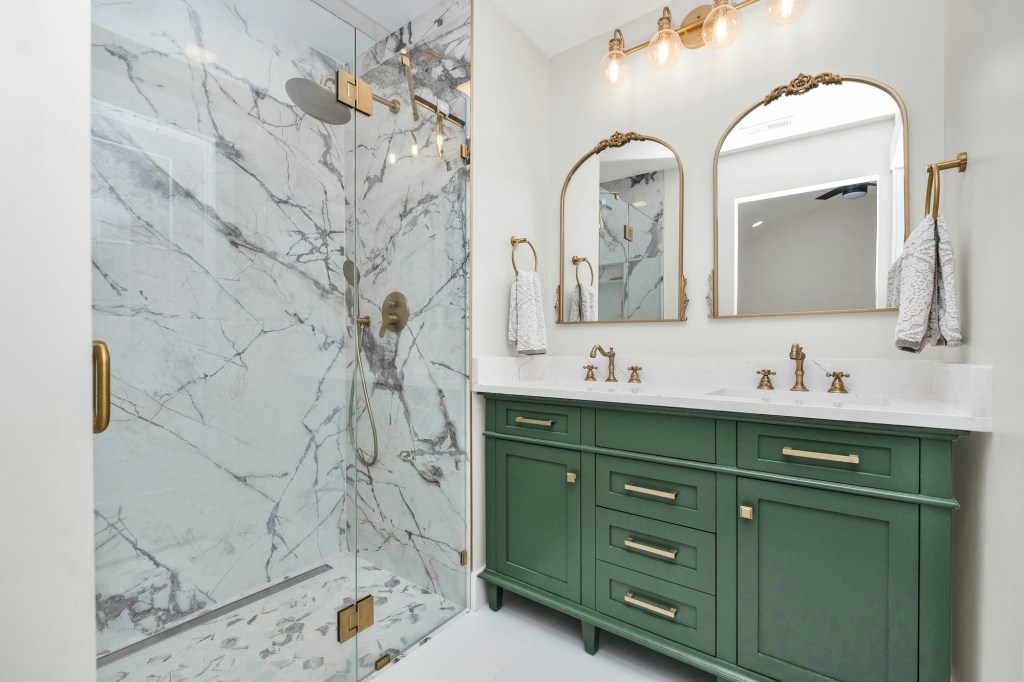
Zero-entry walk-in showers are quickly becoming a hallmark of modern bathroom design. They offer a sleek, minimalist look while enhancing accessibility and comfort. Unlike traditional showers with a curb or step, zero-entry showers create a flush transition between the bathroom floor and the shower—no threshold, no barrier.
But while the visual impact is immediate, what often goes unseen is the critical planning needed beneath the surface. To build a truly functional and beautiful zero-entry shower, one of the most important steps is coordinating the floor recess during the design phase.
Why Choose a Zero-Entry Shower?
- Accessibility: Ideal for aging-in-place, ADA compliance, or simply future-proofing your home, zero-entry designs make showering easier and safer for all users.
- Open Concept: The seamless floor line visually expands the space and creates a clean, modern aesthetic.
- Ease of Cleaning: With no ledge or lip to catch water and debris, cleaning becomes simpler and more efficient.
The Critical Design Detail: A Recessed Shower Floor
The seamless look of a zero-entry shower depends on one key construction feature: a recessed floor that allows for proper drainage without raising the rest of the bathroom floor.
Depending on your home’s construction type, there are two main ways to achieve this:
1. Concrete Slab Foundations
For homes built on a concrete slab, the shower area must be recessed before the concrete is poured. This typically involves:
- Lowering the slab in the shower area by 1.5″ to 2″ to accommodate slope and finished materials.
- Ensuring the recessed area is properly sloped toward the drain.
- Planning plumbing rough-ins early so the drain lands in the correct spot.
Once the slab is poured, retrofitting a recess is difficult and costly—making early coordination between your drafter, contractor, and plumber absolutely essential.
2. Wood-Framed Floors
In wood-framed homes, typically on second stories or over crawlspaces, you can recess the shower area by:
- Cutting or notching the joists (with structural reinforcement) to drop the subfloor in the shower area.
- Using shallow or custom shower pans designed for zero-entry.
- Building a sloped mortar bed or using a foam shower base within the recessed area.
Because modifying joists affects structural integrity, this approach must be designed carefully and approved by a structural engineer if required.
Why Your Drafter or Designer Matters
A successful zero-entry shower starts with a designer or drafter who understands the construction implications of your design choices. It’s not enough to simply call out a “curb-less shower” on a floor plan—your designer must:
- Account for the recessed slab or floor framing in their drawings.
- Provide cross-sections and construction details showing slope, finish layers, and drain height.
- Coordinate with the trades to ensure compatibility between architectural intent and real-world building methods.
Too often, zero-entry showers are designed without the necessary floor drop, leading to last-minute compromises like raised curbs or sloped bathroom floors—both of which defeat the purpose.
Final Thoughts
Zero-entry walk-in showers offer elegance, comfort, and accessibility—but only when designed correctly from the ground up. If you’re planning to include one in your home, make sure your designer knows how to recess the shower floor properly, whether you’re working with concrete or wood framing.
Done right, a zero-entry shower becomes more than a feature—it becomes a statement of thoughtful, future-forward design.



 The Design Build Collective
Leave a comment