
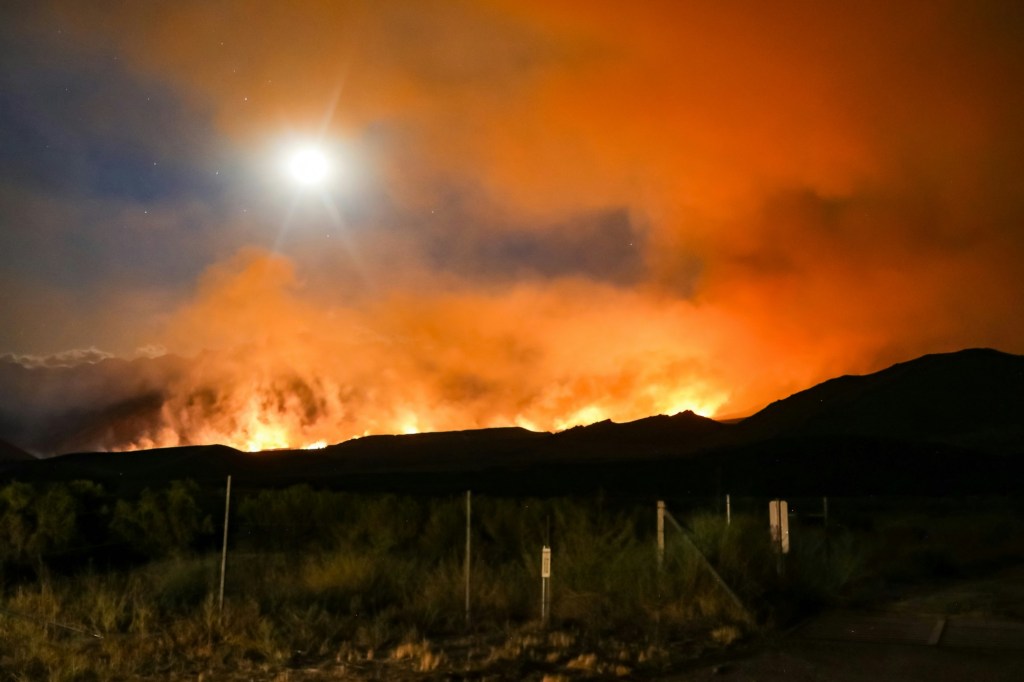
In the summer of 2021, my family and I were forced to evacuate our home for 18 days as the Caldor Fire approached. It was a terrifying experience—uncertainty, anxiety, watching maps refresh every hour.
That fire scarred the forests surrounding Lake Tahoe. I was lucky—the winds shifted, and our neighborhood was spared.
But two years later, while visiting Lahaina, Maui, I watched firsthand as flames engulfed one of our favorite places. The devastation was complete. Homes, history, lives—gone in a single day.
Those two experiences changed how I look at buildings—and how I now approach fireproofing as a designer, homeowner, and community member.
🔥 Most Homes Don’t Burn From Flames—They Burn From Embers
Embers can travel miles ahead of a wildfire and ignite homes without the flames ever touching the structure. This is called ember intrusion, and it’s the leading cause of structure loss in wildfires.
Callout:
Metal or tile roofing alone won’t save your house. You must think about vents, crawlspaces, decks, fences, and the first five feet around your home.
🛠️ Critical Vulnerabilities You Can Fix
🧱 1. Attic and Soffit Vents
Typical vents use mesh that’s too coarse to stop embers. These gaps are one of the most common entry points.
Recommended solutions:
- 🔒 1/16” metal mesh
- 🚫 Intumescent vents (automatically seal in heat)
- 🧰 Upgrade to ember-resistant rated vents
⚙️ 2. Crawlspaces and Skirting
Embers collect under your house and can ignite framing if the area isn’t sealed.
To protect crawlspaces:
- Install metal mesh over all vents
- Use non-combustible skirting (cement board, stucco, or steel)
- Remove dry debris and vegetation under the home regularly
🚪 3. Fences That Touch the House = Ember Highways
A continuous wood fence acts like a fuse when fire approaches.
Break the chain of combustion:
- Add a 5-foot section of metal, concrete, or stone where the fence meets your home
- Choose composite or metal fencing where possible
- Keep base of fence free from grass or leaves
🧱 4. Decks and Undersides
Decks and stairs often collect leaves and embers underneath.
Deck protection tips:
- Use Class A-rated decking
- Install non-combustible skirting
- Flash the joint between deck and structure with metal
🧯 Unvented Roof Assemblies: The Future of Fire-Resilient Design
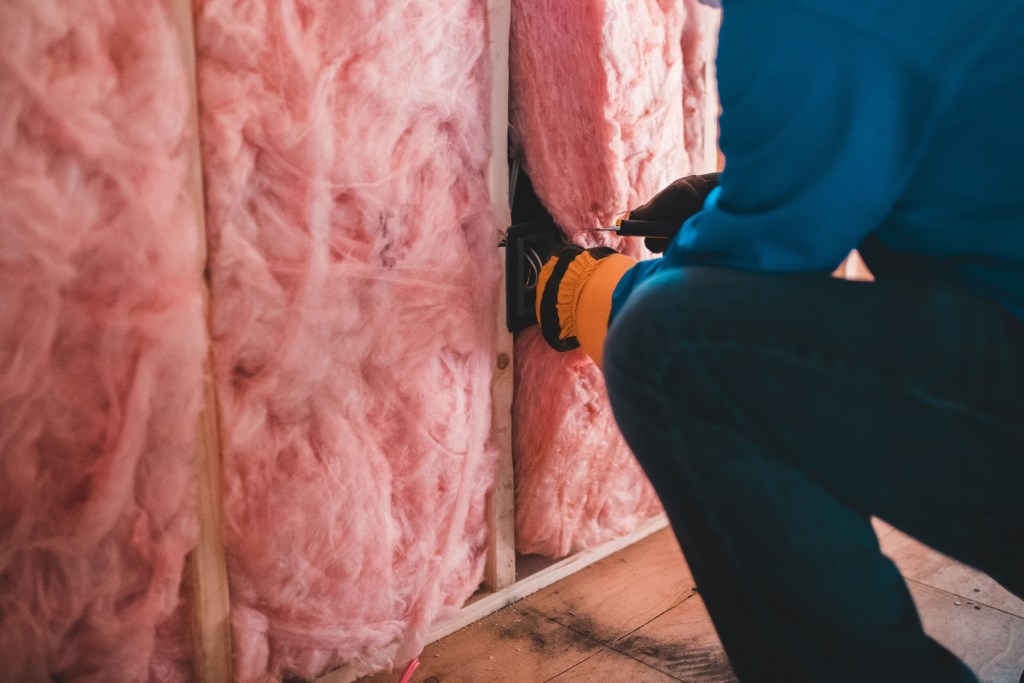
If you’re building new or remodeling, consider going ventless in your attic. Unvented roof assemblies use spray foam or rigid foam to insulate and seal the roof cavity—eliminating ember access entirely.
Callout:
✅ No vents = No ember entry
✅ Improved energy efficiency
✅ Ideal for high-risk fire zones
🌾 Zone 0: The First 5 Feet Matter Most
The area immediately around your house—called Zone 0—is the most flammable. This is where embers fall and fires start.
Defensible space basics:
- Replace wood mulch with gravel or rock
- Keep this zone clear of flammable plants and storage
- Don’t store firewood or furniture near the siding
⚡ Fire-Resilience Is a System, Not a Single Feature
It’s not about one product—it’s about how your home components work together: 🔧 Component ✅ Fire-Resistant Strategy Roof Tile, metal, or Class A asphalt Vents Ember-resistant or sealed Attic Unvented assembly if possible Crawlspace Screened and sealed Fencing Breaks and metal near structure Landscaping Rock mulch and clear buffer zone
💬 I Was Lucky. Don’t Count on Luck.
I didn’t lose my home—but many people in Tahoe and Lahaina weren’t as fortunate. What spared my house was wind. That’s not something you can plan for.
But you can plan to build smarter. To protect your home. To give it the best chance possible.



 The Design Build Collective
Leave a comment