
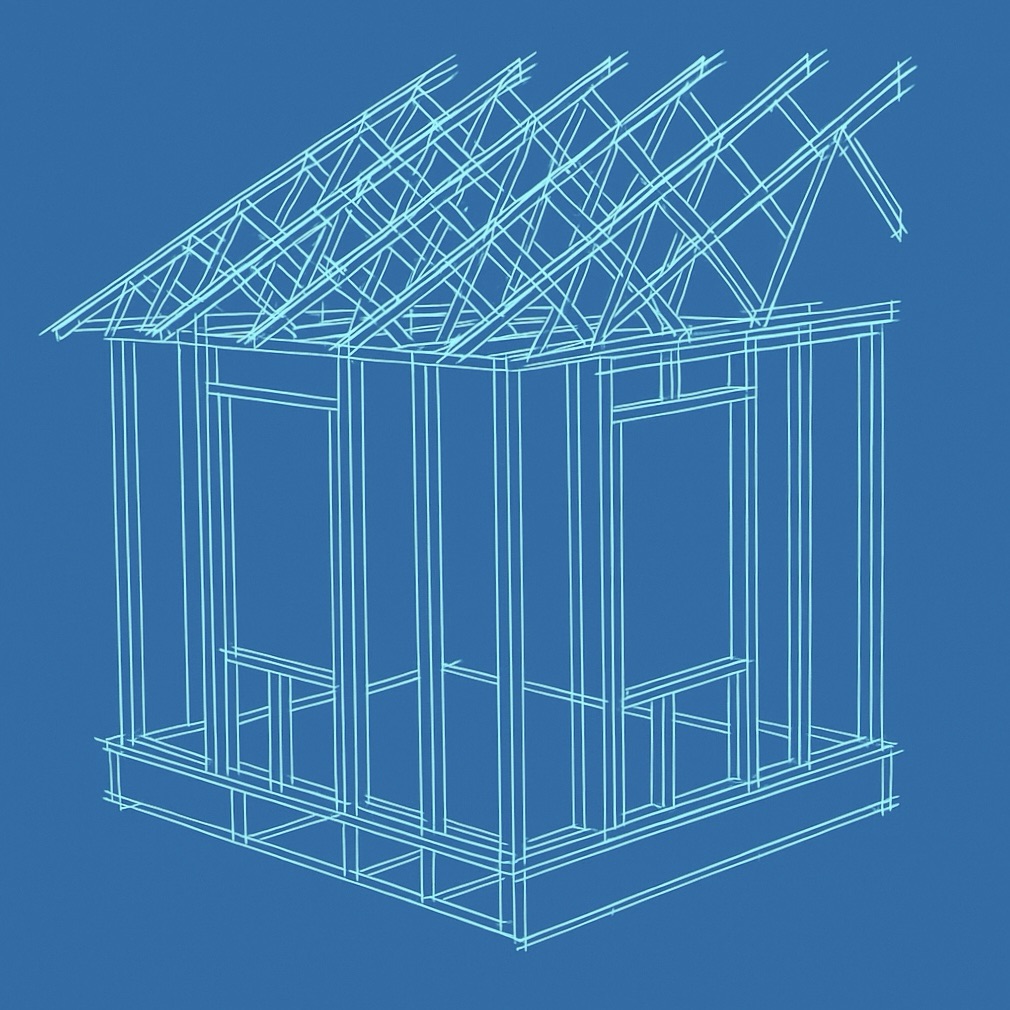
In the world of sustainable residential design, advanced framing is gaining momentum as a practical way to build smarter, not just greener. Also known as optimum value engineering (OVE), advanced framing is a set of techniques that reduce lumber use, improve thermal performance, and support environmentally responsible construction.
Let’s break down how advanced framing ties into broader sustainability goals—and how you can start incorporating it into your next home project.
🔧 What Is Advanced Framing?
Advanced framing isn’t about reinventing the wheel—it’s about making the frame more efficient. The goal is to use less wood, align framing elements more precisely, and create more space for continuous insulation.
Key advanced framing strategies include:
24-inch on-center stud spacing (instead of 16-inch) Single top plates instead of double top plates (with aligned vertical loads) Two-stud corners (instead of three-stud) Insulated headers and open corners to allow full insulation Single jack studs and optimized header sizing based on load calculations
🪚 Big Picture: Less lumber = less embodied carbon + less cost + more room for insulation.
🌿 Why It Matters for Sustainable Design
Advanced framing techniques directly contribute to the three pillars of sustainable design: environmental responsibility, energy efficiency, and material efficiency.
1. Material Reduction = Lower Environmental Impact
Using fewer studs, plates, and unnecessary framing members reduces:
Lumber demand (which supports forest conservation) Waste on the jobsite Transportation-related emissions
2. Improved Thermal Performance
Traditional framing can create “thermal bridges” that allow heat to bypass insulation. With advanced framing:
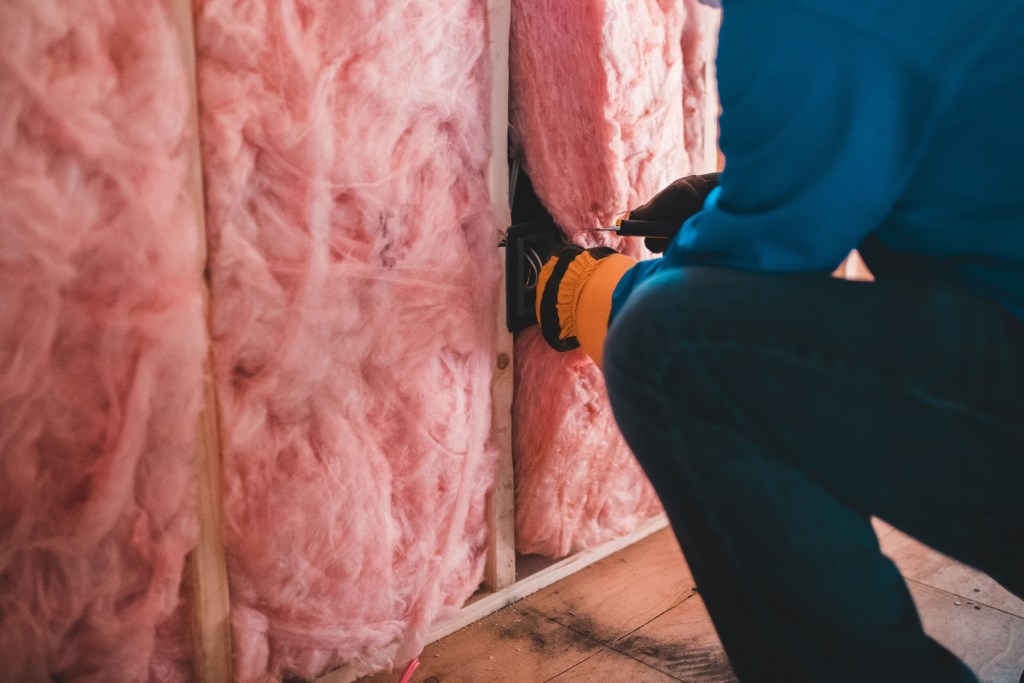
More wall area is available for uninterrupted insulation Homes gain better R-values and require less energy for heating and cooling It works beautifully with high-performance standards like Passive House, LEED, or Net Zero
3. Cost Savings Over Time
While it may require more precise planning and skilled labor:
There’s less lumber to buy Lower heating/cooling bills for homeowners Shorter framing times in the field with a well-trained crew
💡 Pro Tip: It pairs especially well with other sustainable upgrades like airtight sheathing, panelized construction, or energy modeling during the design phase.
🏠 Real-World Applications
Advanced framing is ideal for:
Custom homes where energy efficiency is a selling point Infill projects where tighter envelopes are a priority Prefab and modular homes that benefit from precision design Off-grid or high-performance builds with stringent energy goals
🔍 Things to Watch Out For
Like any technique, advanced framing isn’t plug-and-play. Success depends on:
Collaboration between designer and builder from day one Careful load path calculations to ensure structural integrity Attention to air sealing, since fewer framing members can mean more gaps
✍️ Final Thoughts: A Small Shift with a Big Impact
In sustainable residential design, the framing stage is often overlooked as a place for innovation. But with advanced framing, you can lower a home’s carbon footprint, boost energy performance, and deliver cost-effective results without compromising structural integrity.
For the design-build community, it’s a no-brainer: fewer materials, smarter assemblies, better homes.


 The Design Build Collective
Leave a comment