
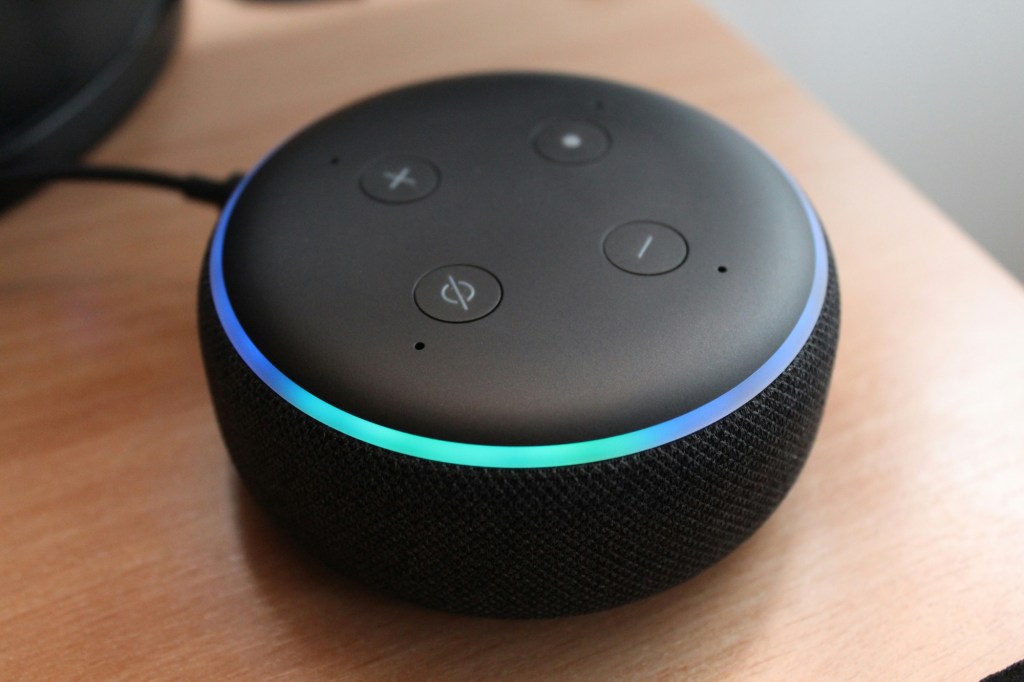
In today’s homes, the integration of smart technology is no longer a luxury—it’s quickly becoming the standard. Among these technologies, Amazon Alexa stands out as one of the most widely adopted virtual assistants. While Alexa is adept at controlling lights, thermostats, and entertainment systems, thoughtful spatial design around these devices can elevate both the function and experience of a smart home. This is where the concept of “zoning for Alexa” comes in.
What is Zoning for Alexa?
Zoning, in this context, refers to the strategic layout and design of interior spaces to maximize the functionality of smart devices like Alexa. Instead of placing Alexa devices arbitrarily, zoning incorporates their presence into the architectural and interior design process, ensuring optimal coverage, privacy, convenience, and user experience.
Why Zoning Matters in a Smart Home
Imagine walking into your kitchen and saying “Alexa, play jazz,” only to have the speaker in the living room respond. Or worse, multiple Alexas answering from different rooms simultaneously. Poorly thought-out placement leads to confusion, redundancy, and inefficiency.
Zoning ensures:
Clear Voice Command Zones: Devices are placed where they can easily hear users without interference. Minimized Overlap: Reduces cross-talk between devices in adjacent rooms. Optimal Device Use: Lights, music, thermostats, and routines respond only in relevant spaces.
Key Considerations for Zoning with Alexa
1. Acoustic Layout and Room Shape
Open floor plans and echo-prone surfaces can impact how well Alexa hears voice commands. Use acoustic zoning strategies—like rugs, curtains, and partitions—to define audio boundaries. In large rooms, use multiple Echo devices configured into speaker groups or multi-room music zones.
2. Device Distribution
Place Alexa devices based on:
Room Function: Prioritize spaces where Alexa adds the most value—kitchens, bedrooms, offices, and family rooms. Traffic Patterns: Consider where people tend to speak commands. Accessibility: Keep devices visible and at a reasonable height to allow for screen-based models like Echo Show to be used effectively.
3. Privacy & Listening Zones
For bedrooms or bathrooms, where privacy is paramount, consider whether Alexa is necessary. If so, opt for devices with built-in privacy features, and create separate zones in the Alexa app to isolate sensitive commands from shared devices.
4. Integration with Lighting and Automation
Use Alexa-compatible smart switches and plugs zoned by room. For example, “Alexa, turn on the kitchen lights” should only affect the fixtures in that zone. Thoughtful labeling and Alexa group creation is essential.
Design Tips for Smart-Aware Spaces
Built-in Nooks: Design recessed shelves or smart hubs in walls or cabinetry to house Alexa devices unobtrusively. Power Planning: Ensure electrical outlets or USB ports are accessible where Alexa devices are expected to go. Hidden Tech: For minimalist aesthetics, consider ceiling- or wall-mounted speakers with Alexa built-in, reducing visual clutter. Multi-Modal Controls: Combine Alexa with physical smart switches for guests or backup control.
The Future of Smart Home Design
As virtual assistants become more sophisticated—integrating with HVAC, security systems, and even appliances—zoning will evolve beyond audio recognition to include contextual awareness. This could mean different behaviors for the same command based on who’s speaking, what time it is, or which room they’re in.
Architects, builders, and homeowners must start thinking of Alexa and similar devices not as add-ons but as integral components of the spatial experience. Zoning for Alexa is not just about where the tech goes—it’s about shaping smarter, more intuitive homes.
Conclusion
Smart home technology isn’t just changing how we live—it’s changing how we design. Zoning for Alexa is a natural extension of this shift, blending thoughtful design with technological convenience. By planning ahead and integrating Alexa-friendly zones into home layouts, designers and homeowners can create spaces that are not only intelligent but also elegantly responsive to daily life.




 The Design Build Collective
Leave a comment