

A Net Zero Home is a house designed and built to produce as much energy as it consumes over the course of a year. Through a combination of high-efficiency systems and renewable energy sources—usually solar—these homes aim for a net zero energy bill and a greatly reduced carbon footprint.
Think of it as a home that “pays its own utility bills” with clean energy.
It’s not just about slapping some solar panels on the roof. Achieving net zero requires thoughtful planning, design, and execution from the ground up—or even during a remodel.
The Core Elements of a Net Zero Home
To reach net zero, a home typically incorporates:
1. Superb Insulation and Airtightness
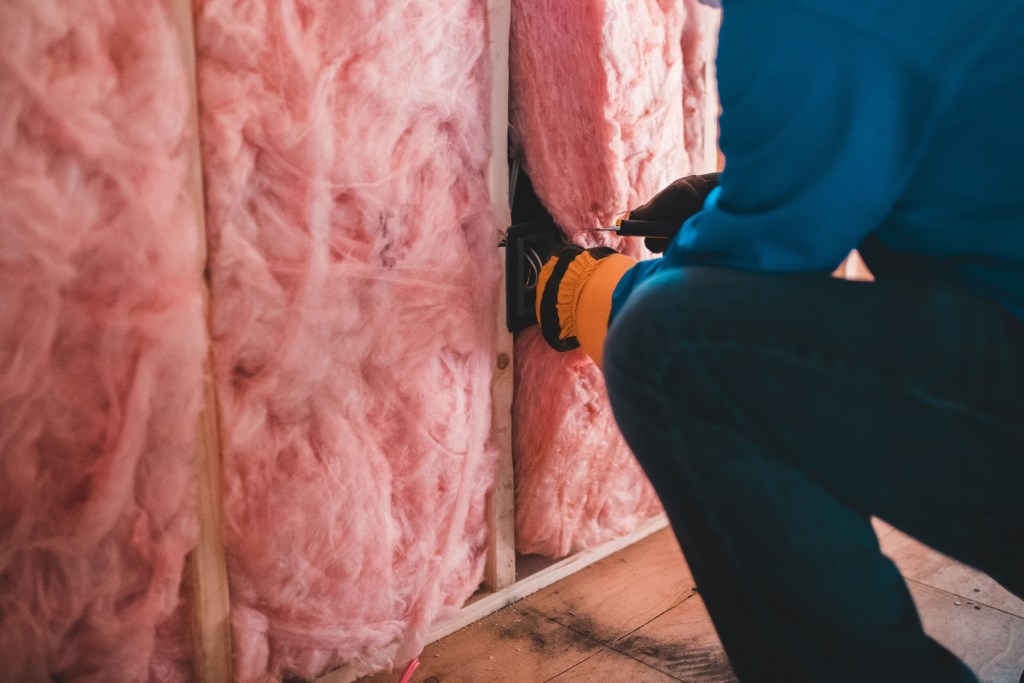
Reducing the need for heating and cooling starts with keeping indoor air in and outdoor air out. High R-value insulation, air sealing, and advanced framing techniques all help create a tight thermal envelope.
2. High-Performance Windows and Doors
Triple-glazed, low-emissivity (low-E) windows and insulated exterior doors minimize energy loss while maximizing comfort.
3. Energy-Efficient Systems and Appliances
This includes everything from ENERGY STAR® appliances and heat pump HVAC systems to LED lighting and low-flow fixtures.
4. Solar Power (and sometimes Storage)
Solar photovoltaic (PV) panels provide renewable electricity. Some homes even include battery storage systems to increase independence from the grid.
5. Smart Home Tech
Advanced controls and smart thermostats help optimize energy use based on your behavior and schedule.
Why Do Net Zero Homes Matter?
🌱 Environmental Benefits
Buildings account for nearly 40% of global carbon emissions. Net zero homes dramatically reduce greenhouse gas emissions by cutting reliance on fossil fuels.
💸 Lower Operating Costs
While the upfront investment can be higher, net zero homes offer long-term savings through little to no energy bills. Plus, incentives and tax credits can help offset initial costs.
🏡 Increased Comfort and Health
Tighter envelopes mean fewer drafts and more consistent indoor temperatures. Many net zero homes also use filtered ventilation systems, improving indoor air quality.
📈 Future-Proof Investment
Energy efficiency is becoming more important to buyers. A well-designed net zero home can boost resale value and market appeal.
Is a Net Zero Home Right for You?
Whether you’re building new or remodeling, you can move toward net zero at your own pace. Even integrating a few of these principles—better insulation, efficient windows, or solar panels—can make a big impact.
You don’t have to go all-in on day one. Every step toward efficiency matters.
Final Thoughts
Net zero homes aren’t a niche concept anymore—they’re becoming a mainstream benchmark for responsible, resilient living. As designers, builders, and homeowners, we have the tools and knowledge to create homes that serve both people and the planet.
Whether you’re planning your dream home or just looking for ways to cut energy costs, designing with net zero in mind is a step toward a smarter, more sustainable future.


 The Design Build Collective
Leave a comment