
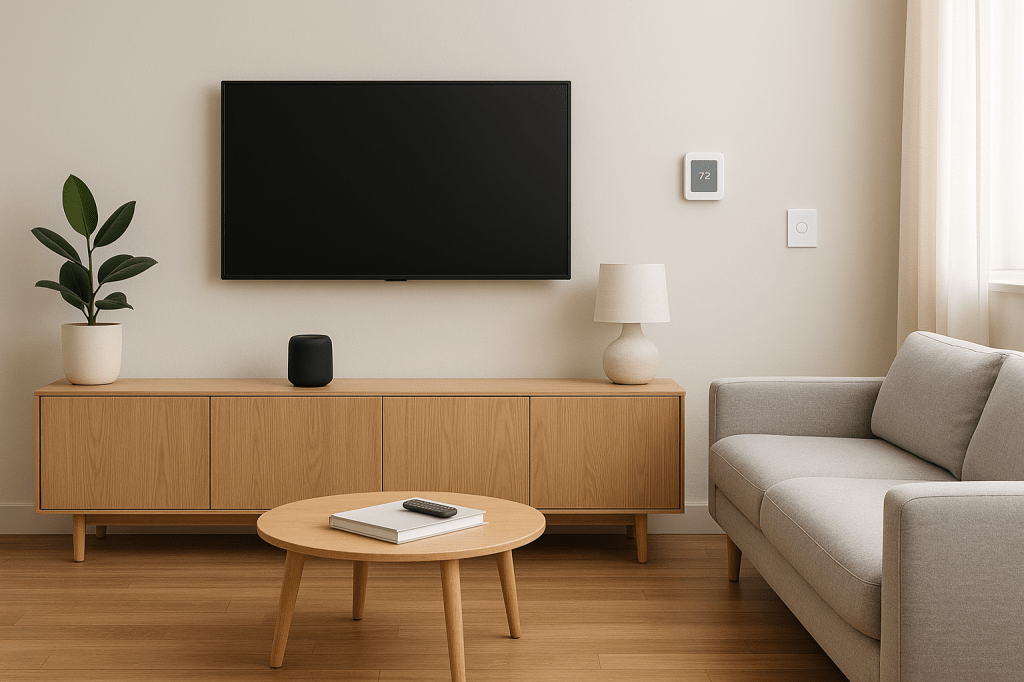
In a world where everything from your thermostat to your fridge can be “smart,” the way we design homes is evolving. But here’s the catch: not everyone wants their house to look like a tech showroom.
That’s where invisible design comes in—an approach that integrates smart technology in ways that are intuitive, functional, and almost imperceptible. It’s about enhancing the way you live without disrupting the way your home looks and feels.
Let’s explore how to bring tech into your space without sacrificing style.
What Is Invisible Design?
Invisible design is the art of embedding technology into the home in a subtle, unobtrusive way. Rather than having gadgets dominate a space, the tech blends into the background, allowing architecture and interior design to take the spotlight.
It’s minimalist meets modern innovation—and it’s gaining serious traction in high-end residential design.
Why Invisible Design Matters
🧠 Function without friction – Tech should support your lifestyle, not interrupt it. 🎨 Clean aesthetics – A smart home shouldn’t look like a spaceship. 🏡 Future-proofing – Well-integrated systems age better and adapt more easily to new tech. 🤫 Discretion – Not everyone wants their visitors to know their entire home runs on sensors and voice commands.
Key Ways to Integrate Smart Tech Invisibly
1. Smart Lighting that Fades Into the Background
Use recessed LED strips, hidden cove lighting, and motion sensors built into baseboards or ceiling moldings. Combine them with smart switches or scenes that adjust to the time of day or activity—without shouting for attention.
💡 Pro Tip: Use programmable lighting scenes to automatically dim, brighten, or change tone (warm/cool) based on time or use case (e.g., “Dinner,” “Morning Routine,” “Movie Night”).
2. Integrated Audio Without the Eyesores
Say goodbye to bulky speakers. With in-wall or in-ceiling speakers, vibration-based audio panels, and soundbars that match the millwork, you can have immersive sound without disrupting your interior aesthetic.
🎶 Bonus: Use whole-home systems like Sonos or Control4 for seamless audio in any room—controlled from a hidden tablet or your phone.
3. Climate Control That Blends In
Smart thermostats like Ecobee or Nest are designed to be subtle—but you can go further by tucking them into less conspicuous spots or using remote sensors that allow the hub to be hidden entirely.
Some high-end homes are even incorporating climate zones directly into architectural detailing, like radiant flooring or ceiling-integrated vents that disappear into trim work.
4. Hidden Power & Charging Solutions
Designers are now incorporating pop-up outlets, drawer charging stations, and under-cabinet USB strips. These keep counters clear and tech accessible—without clutter.
🔌 Need to hide a WiFi router or hub? Use custom cabinetry with mesh panels to let signals pass through while keeping devices out of sight.
5. Discreet Home Security
Rather than big cameras in every corner, opt for peephole cams, doorbell cams, and flush-mount sensors. Many systems now use glass-break detectors and motion sensors that are the size of a coin and paintable to match walls.
Bonus: Integrate them with your home automation to trigger lights, alerts, or lock the doors—all without visible tech.
Want instant privacy without bulky drapes? Switchable smart glass or motorized roller shades can be controlled via app or programmed scenes. They disappear into ceiling pockets when not in use, keeping your views—and your design—wide open.
The Design Build Approach: Collaborate Early
The key to invisible design is early planning. Builders, designers, and integrators must collaborate from the beginning. Retrofitting smart systems into a finished space often forces compromises in aesthetics and function.
By making tech a silent partner in the design process, the result is a home that feels effortless—even if there’s a lot going on behind the scenes.
Final Thoughts: Beauty and Brains Can Coexist
Technology should serve your home, not take it over. Invisible design is about creating spaces that are intelligent, intuitive, and visually serene—a balance of innovation and elegance.
Whether you’re building new or upgrading your current home, there’s never been a better time to think about how smart your space looks—and feels.
As a longtime enthusiast of electronics and technology, I’ve always been fascinated by how smart solutions can quietly transform the way we live. For me, the true beauty of home tech lies in its ability to blend seamlessly into everyday life—enhancing comfort, convenience, and efficiency without disrupting the style or soul of a space.
Invisible design is more than a trend; it’s a thoughtful approach to building homes that work smarter, not louder. Whether it’s lighting that adjusts to your rhythm, audio systems that disappear into walls, or security features that keep watch without being seen, the goal is to create a living environment that feels natural—yet remarkably advanced.
If this idea speaks to you, stay tuned. In the next few articles, I’ll be diving deeper into the specific systems, design strategies, and product recommendations that make invisible tech integration both achievable and worthwhile. Whether you’re building new or looking to upgrade, these insights are designed to help you bring the future home—gracefully




 The Design Build Collective
Leave a comment