
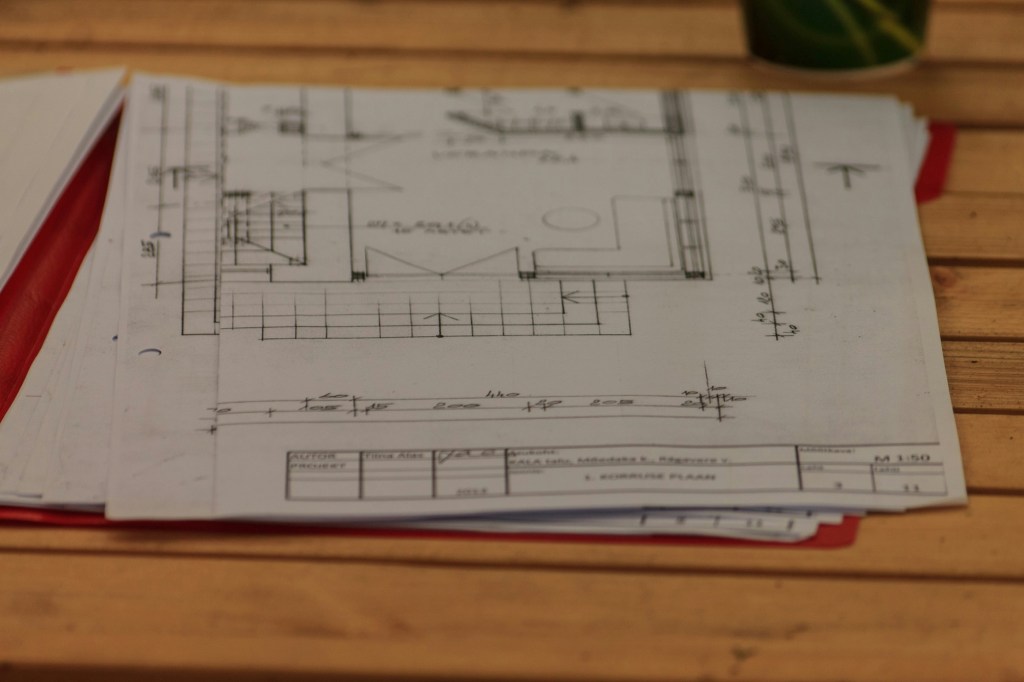
Top 5 Mistakes to Avoid When Submitting Residential Plans
You’ve spent time drafting your plans, assembling your documents, and you’re ready to submit to the building department—but one small mistake can stall your entire project.
In this post, I’ll cover the top five mistakes I’ve seen in residential plan submittals (and made myself over the years), plus how to avoid them so your permit review goes as smoothly as possible.
1. Incomplete Plan Sets
What happens:
Key drawings like building sections, roof plans, or elevations are missing. Reviewers can’t evaluate the full scope of the project, so they kick it back.
How to avoid it:
Use a standardized drawing checklist (or download mine [here]) Review your local department’s submittal list Double-check sheet numbers and drawing titles
Pro tip: Make sure each sheet is labeled clearly with project name, address, and scale.
2. Missing or Incorrect Code References
What happens:
Your plans don’t specify the building codes used (e.g., IRC 2021, CBC 2022), or they cite an outdated version. Reviewers don’t know if your design meets current requirements.
How to avoid it:
Always confirm code versions on the city or county website Include a code summary on your cover sheet Reference key code sections on detail drawings and notes
3. Plans and Supporting Documents Don’t Match
What happens:
Your floor plan shows one thing, but your electrical plan or structural notes show another. This causes confusion and red flags during plan check.
How to avoid it:
Cross-check all plan sheets for consistency Update supporting docs (e.g., Title 24, calcs) after any major changes Label all drawings with the same revision number or date
4. Ignoring Zoning Requirements
What happens:
Your plans may comply with the building code, but violate setbacks, height limits, or lot coverage. This leads to zoning corrections—or worse, a denied permit.
How to avoid it:
Check your local zoning ordinance early in the design process Show setbacks and lot coverage clearly on your site plan If your design pushes the limits, consult a planner before submitting
5. Submitting the Wrong Format or Quantity
What happens:
You submit two physical copies when the city now requires digital PDFs—or forget to include application forms and fee payments.
How to avoid it:
Read the current submittal instructions from your jurisdiction Verify: paper vs. digital, how many copies, naming conventions for files Include all required forms, fees, and supplemental documents
Bonus Tip: Don’t Skip the Pre-Submittal Call or Meeting
Many jurisdictions allow or encourage a quick call with a plan reviewer before you submit. This is your chance to:
Confirm requirements Clarify edge cases Avoid unnecessary corrections
Final Thoughts
Mistakes in plan submittals are common—but they’re also avoidable. A little extra attention to detail can mean the difference between a 2-week review and a 2-month delay.
In the next post, I’ll break down when you need to hire an architect or engineer—and when you can submit plans yourself.




 The Design Build Collective
Leave a comment